Menopause marks a significant transition in a woman's life, encompassing perimenopause, menopause, and postmenopause. Each phase presents unique challenges, but with the right approach, you can manage symptoms and maintain well-being.
🔄 Understanding the Menopausal Transitions
- Perimenopause: The transitional phase leading up to menopause, typically occurring in women in their 40s. It involves hormonal fluctuations, particularly a decline in estrogen and progesterone levels.
- Menopause: Defined as the cessation of menstruation for 12 consecutive months, usually occurring around age 50. It signifies the end of ovarian function.
- Postmenopause: The phase following menopause, where symptoms may continue but stabilize. Long-term health considerations, such as bone density and cardiovascular health, become more prominent.
💊 Supplements for Each Menopausal Phase
Perimenopause
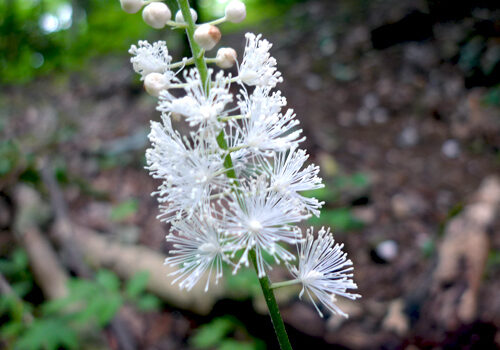
- Black Cohosh: A herbal supplement known for its potential to alleviate hot flashes and mood swings. Black Cohosh: A herbal supplement traditionally used for hot flashes and mood swings. Evidence is mixed. A 2010 meta-analysis (Shams et al., Alternative Therapies in Health and Medicine) pooled seven placebo-controlled trials and reported a 26 percent overall improvement in menopausal vasomotor symptoms, but the authors noted significant variation between trials, and a larger 2012 Cochrane review of 16 trials in 2,027 women found no significant difference from placebo in hot flash frequency. Vitamin E, sometimes suggested at 800 IU/day, performed no better than placebo for hot flashes in a controlled trial, so it is not a reliable option.
Menopause
- Soy Isoflavones: Phytoestrogens that may mimic estrogen effects. Soy Isoflavones: Phytoestrogens that may mimic some estrogen effects. A 2012 meta-analysis of 19 randomized controlled trials (Taku et al., Menopause) found that soy isoflavone supplements, at a median dose of about 54 mg of aglycone equivalents daily taken for 6 weeks to 12 months, were associated with a 20.6 percent lower hot flash frequency and a 26.2 percent lower hot flash severity than placebo, with higher genistein content predicting the stronger effect. The Women's Health Initiative trial found that calcium (500 mg twice daily) and vitamin D (400 IU daily) supplementation in healthy postmenopausal women increased hip bone mineral density modestly.
Postmenopause
- Vitamin D and K: Work synergistically to support bone and cardiovascular health. A comprehensive review of clinical studies indicates that the combined intake of vitamins D and K may positively affect cardiovascular and bone health in postmenopausal women. pubmed.ncbi.nlm.nih.gov
- Omega-3 Fatty Acids: May reduce inflammation and support heart health.
🧘 Lifestyle Strategies for Menopausal Health
- Balanced Diet: Incorporate a variety of fruits, vegetables, whole grains, and lean proteins to support overall health.
- Regular Exercise: Engage in weight-bearing exercises to maintain bone density and cardiovascular health.
- Adequate Sleep: Aim for 7-9 hours of quality sleep per night to support hormonal balance and overall well-being.
- Stress Management: Practice relaxation techniques such as yoga, meditation, or deep breathing exercises to manage stress levels.
⚠️ Considerations and Precautions
- Consult Healthcare Providers: Before starting any supplement regimen, especially if you have existing health conditions or are on medication.
- Monitor for Side Effects: Be aware of potential side effects from supplements and report any adverse reactions to your healthcare provider.
- Quality of Supplements: Choose supplements from reputable sources to ensure quality and efficacy.
🧠 Final Thoughts
Navigating the menopausal journey involves understanding the changes your body is undergoing and proactively managing symptoms. By incorporating evidence-based supplements and adopting healthy lifestyle practices, you can support your body through perimenopause, menopause, and postmenopause.