Berberine has become one of the most talked-about supplements on the market, fueled by a viral nickname, nature's Ozempic, that oversells what it actually does. Strip away the hype and berberine is a plant compound with a genuine, if modest, evidence base for supporting healthy blood sugar and cholesterol. It also has real downsides: it is poorly absorbed, it frequently upsets the stomach, and it interacts with a long list of medications. So the right product is not just the one with the biggest number on the label, it is the one with a sensible, clinically used dose and serious quality testing behind it.
We compared the most popular and best-tested berberine supplements on dose, form, third-party testing, added ingredients, and price. The short story: for most people, Thorne Berberine is the best pick, because it pairs a clinically used dose with some of the most rigorous testing in the industry. From there, every product below wins a specific job, from the best value to the gentlest form for sensitive stomachs. Before we rank them, one thing matters more than any pick: berberine interacts with many drugs, so talk to your doctor or pharmacist before starting it. For the science behind the compound, see our explainer, berberine for blood sugar and metabolic health.
The short version
- Best overall: Thorne Berberine. A clinical 1,000 mg per serving with industry-leading in-house testing and NSF-registered manufacturing.
- Best third-party tested value: Toniiq Berberine, a high-potency extract with per-batch testing at about a third of the cost.
- Best budget: Nutricost Berberine HCl, a no-frills 1,200 mg-per-serving option for well under a dollar a day.
- Gentlest on the stomach: Double Wood Dihydroberberine, a better-absorbed form that works at a much smaller dose.
How we ranked them
Berberine is a simple ingredient, so quality and dosing decide everything. We weighed five things, in this order:
- Clinically sensible dose. Studies use roughly 1,000 to 1,500 mg per day, split into 500 mg doses. We favored products that make it easy to hit that range without megadosing in one shot.
- Form and absorption. Standard berberine HCl has the most human evidence; dihydroberberine is better absorbed and gentler but less studied. We judged each form on its own merits.
- Third-party testing. Because berberine is unregulated and potency varies, independent or rigorous in-house testing for identity, potency, and contaminants mattered a lot.
- Added ingredients. Useful synergists like cinnamon, chromium, or an absorption enhancer can help; pointless filler does not.
- Value. Cost per day at the clinical dose, since this is taken two or three times daily.
Scores are our editorial assessment on a five-point scale, not customer ratings.
The 7 best berberine supplements
Tap any product to jump straight to its full review.
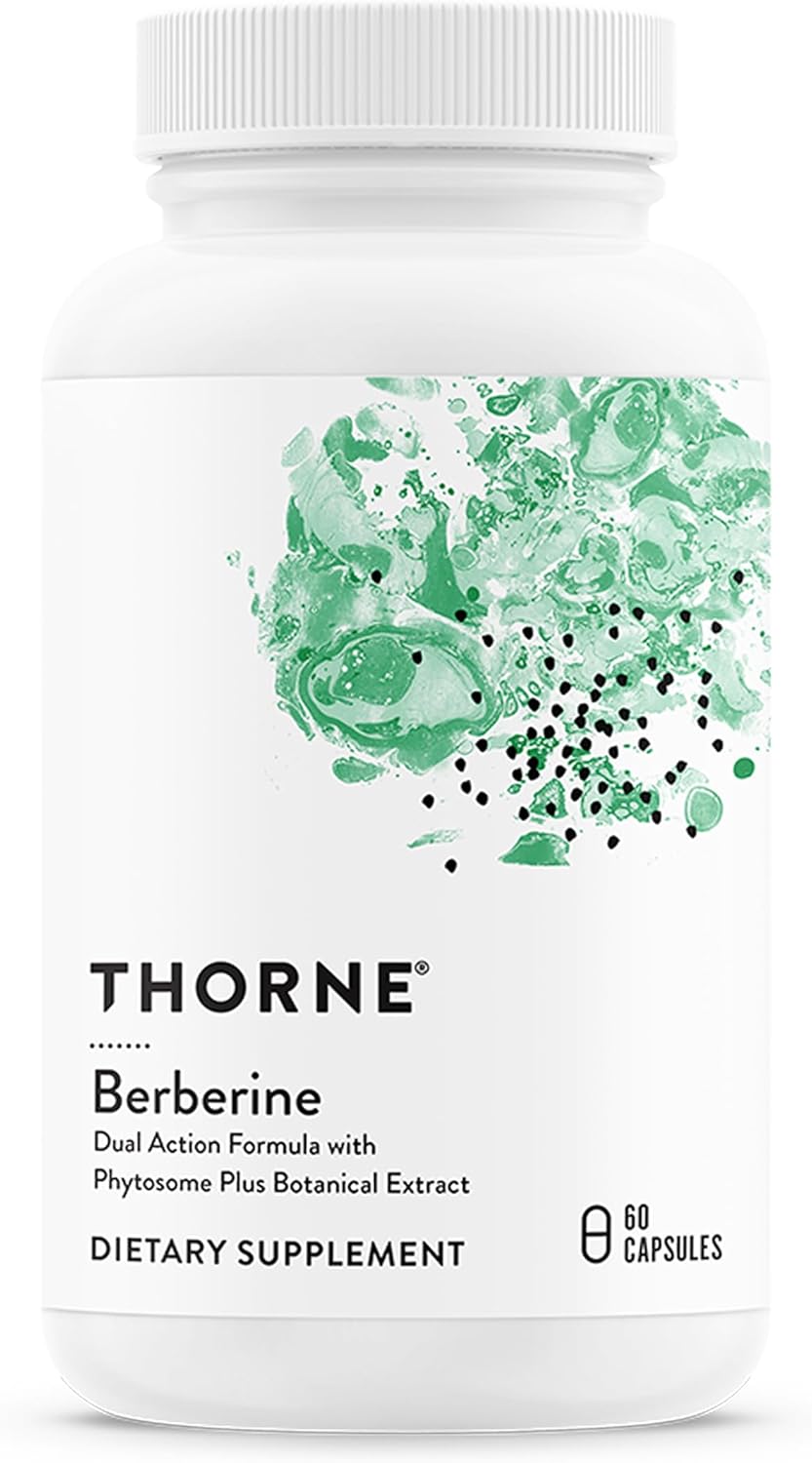
Thorne Berberine
Best for: Quality-first buyers who want a clinical dose and trusted testing
The quality benchmark for berberine. Thorne delivers a clinically used 1,000 mg of berberine HCl across a two-capsule serving, and backs it with the testing reputation that makes the brand a favorite of clinicians and pro sports teams: multiple rounds of in-house analysis for identity, potency, and contaminants, in NSF-registered and TGA-registered facilities. It is not the cheapest, and the testing here is Thorne's rigorous in-house program rather than a product-specific NSF Certified for Sport seal, but for trusting what is in the bottle, nothing else here matches it.
- Clinical 1,000 mg per serving
- Industry-leading testing reputation
- NSF and TGA registered facilities
- Clean formula, no fillers
- Among the priciest per serving
- Testing is in-house, not a product NSF seal
- Two capsules per dose
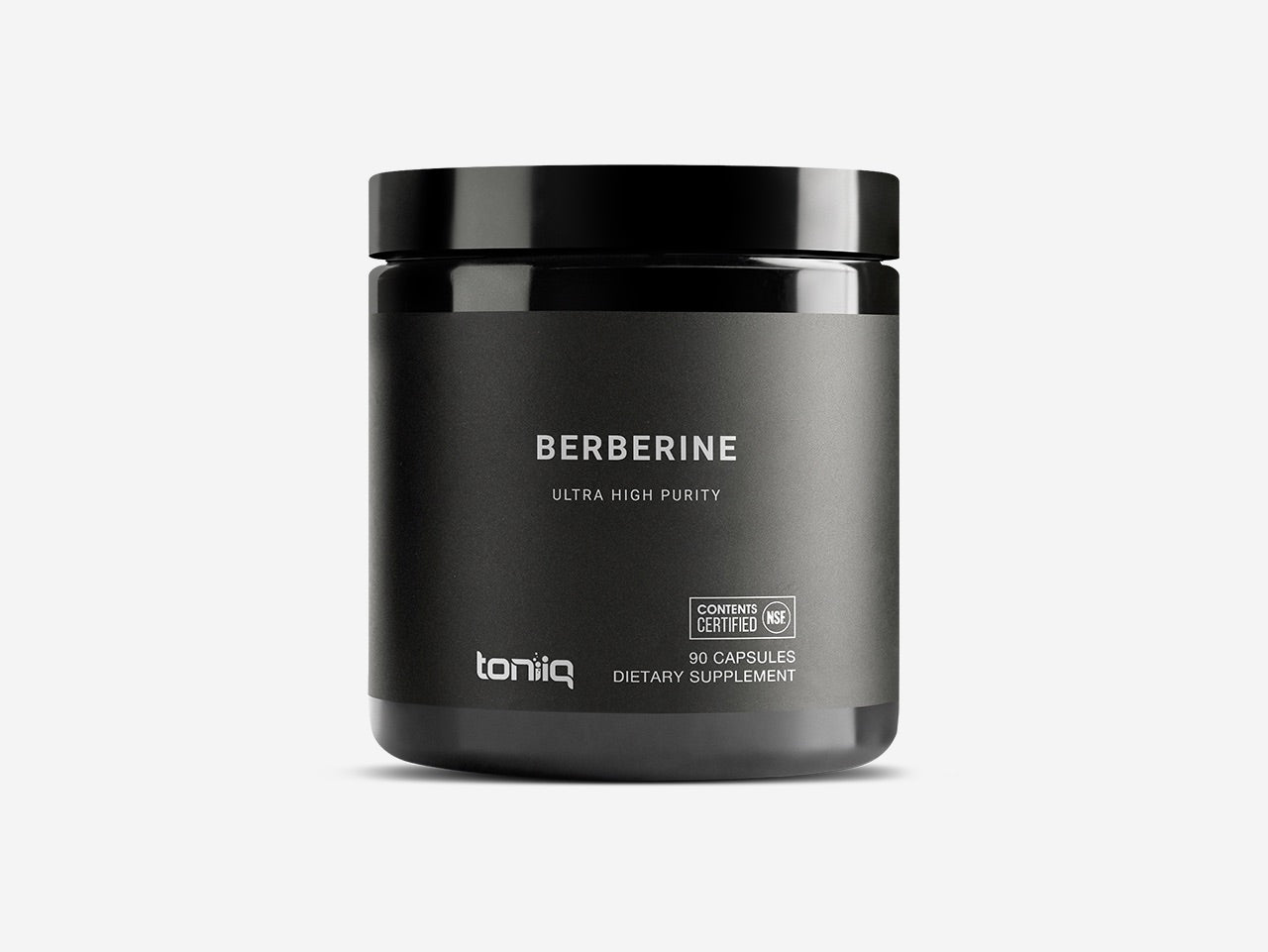
Toniiq Berberine
Best for: Buyers who want verified potency without the premium price
The value-and-verification sweet spot. Toniiq standardizes to a high 97 percent berberine and publishes per-batch third-party certificates of analysis you can scan and check, which is exactly the transparency this unregulated category needs. At roughly a third the cost of Thorne per gram, it lets you reach the clinical dose by simply taking one 500 mg capsule two or three times a day. The single-capsule potency also makes splitting your daily dose easy, which is the right way to take berberine.
- High 97% standardized potency
- Published per-batch certificates of analysis
- Excellent value per gram
- One 500 mg cap makes split dosing simple
- No added synergists
- Online-only brand, less name recognition
- Plain capsule, no special formulation
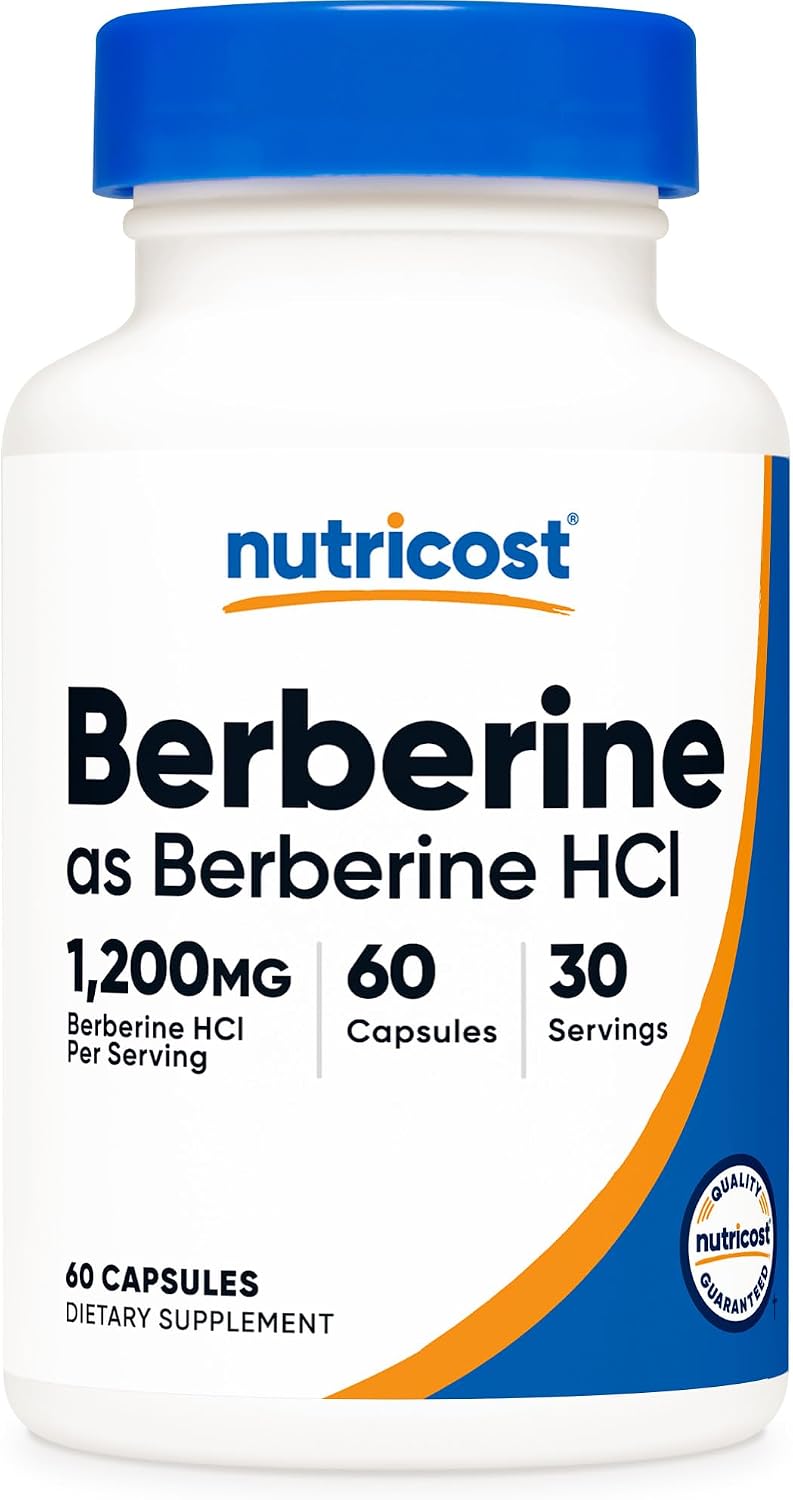
Nutricost Berberine HCl
Best for: Cost-conscious buyers who want a simple, full dose
The no-frills value pick. Nutricost gives you 1,200 mg of berberine HCl across two 600 mg capsules for well under a dollar a serving, in a clean formula and a big bottle that lasts. The brand is third-party tested and GMP-manufactured, and while it does not publish the scannable per-batch COAs that Toniiq does, it has a strong reliability record. If you simply want a straightforward, affordable way to take a clinical berberine dose, this is the easy choice.
- 1,200 mg per serving at low cost
- Third-party tested, GMP made
- Large bottle, strong value
- Simple, clean formula
- No published per-batch COAs
- 600 mg capsules are large to swallow
- No added synergists
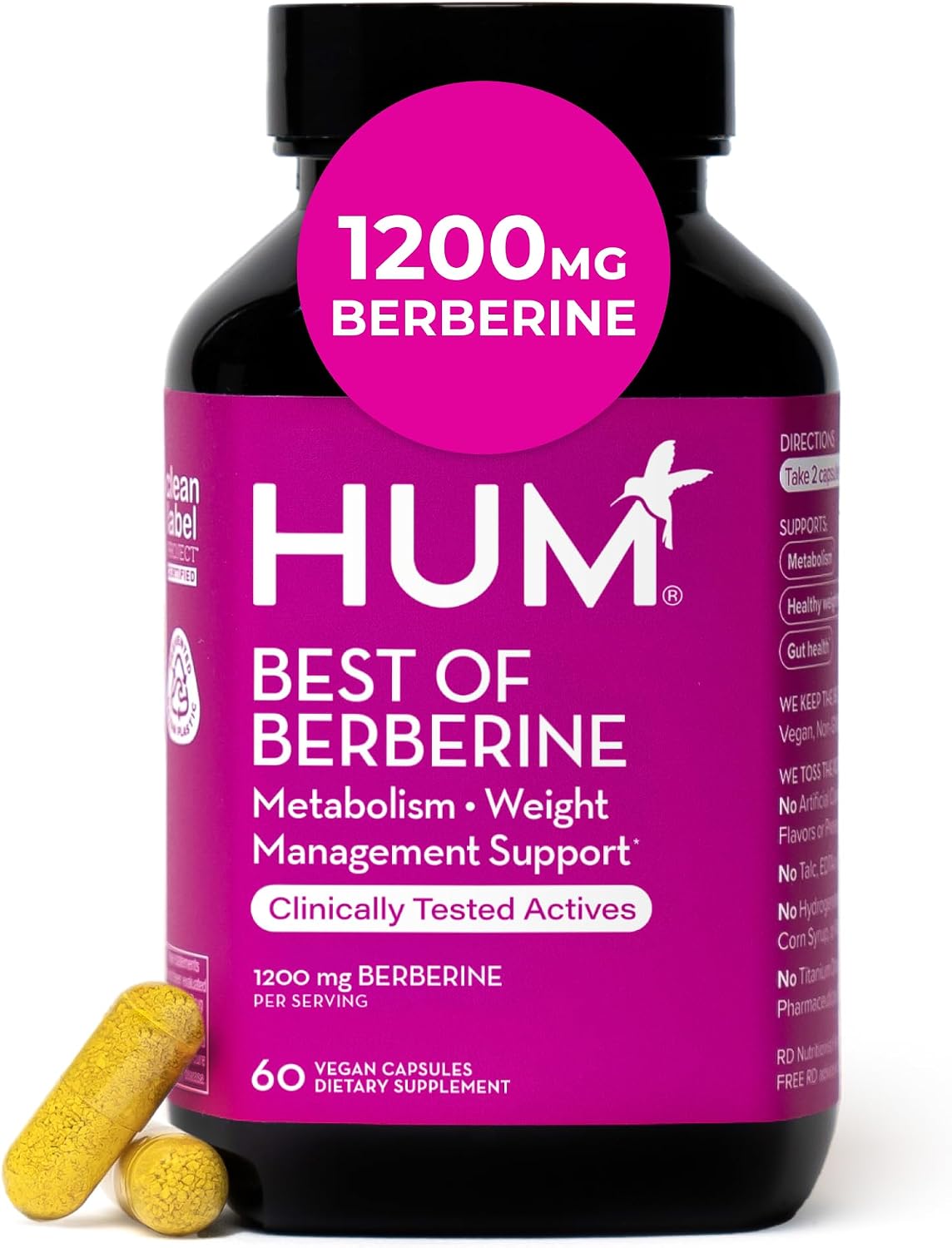
HUM Best of Berberine
Best for: Buyers who want a polished, absorption-enhanced formula
A well-formulated, absorption-minded option. HUM pairs 1,200 mg of berberine HCl with 5 mg of BioPerine, a black-pepper extract that can improve the absorption of poorly bioavailable compounds, a sensible addition given berberine's biggest weakness. HUM markets itself on triple in-house testing and clean sourcing, and the brand carries broad retail trust. You pay a premium over the budget options for the formulation and the polish, but it is a thoughtfully built product.
- 1,200 mg plus BioPerine for absorption
- Triple-tested, clean sourcing
- Well-known, trusted brand
- Non-GMO and gluten-free
- Pricier than plain HCl options
- BioPerine itself can affect drug metabolism
- No published per-batch COAs
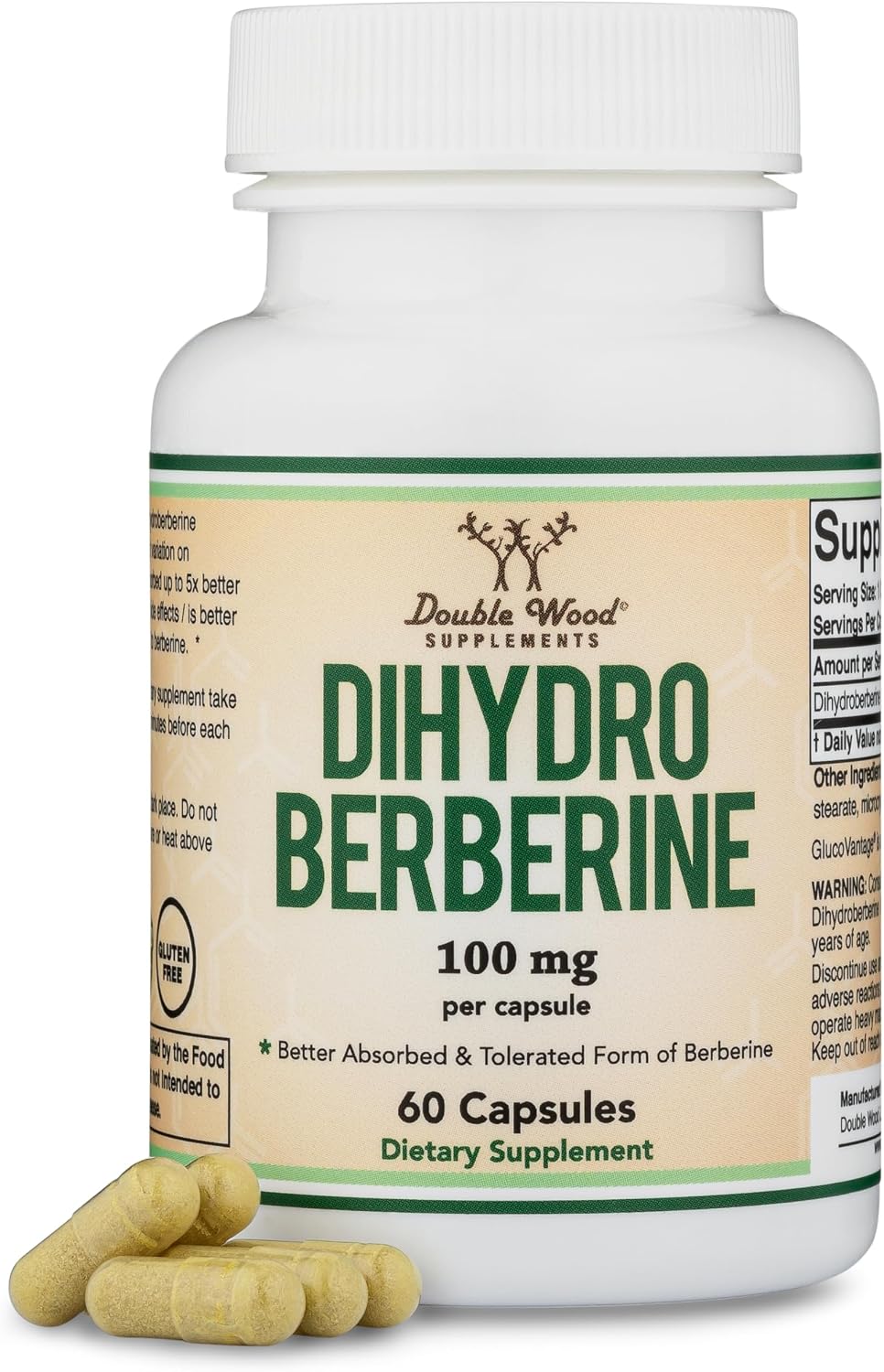
Double Wood Dihydroberberine
Best for: People whose stomachs react badly to standard berberine
The gentler, better-absorbed form. Dihydroberberine is a metabolite of berberine that the body absorbs far more efficiently, so Double Wood's 100 mg dose (as branded GlucoVantage) is designed to reach blood levels comparable to a much larger amount of standard berberine, often with less digestive upset. The honest caveat is the evidence base: dihydroberberine has far fewer long-term human trials than berberine HCl, and the claim of fewer GI effects is reasonable but not firmly proven. It is the smart pick mainly if regular berberine bothers your stomach.
- Better absorbed, works at a low dose
- Often easier on the stomach
- Branded GlucoVantage, third-party tested
- Low cost per serving
- Far fewer long-term human trials
- GI benefit is plausible, not proven
- Still carries the same drug-interaction risks
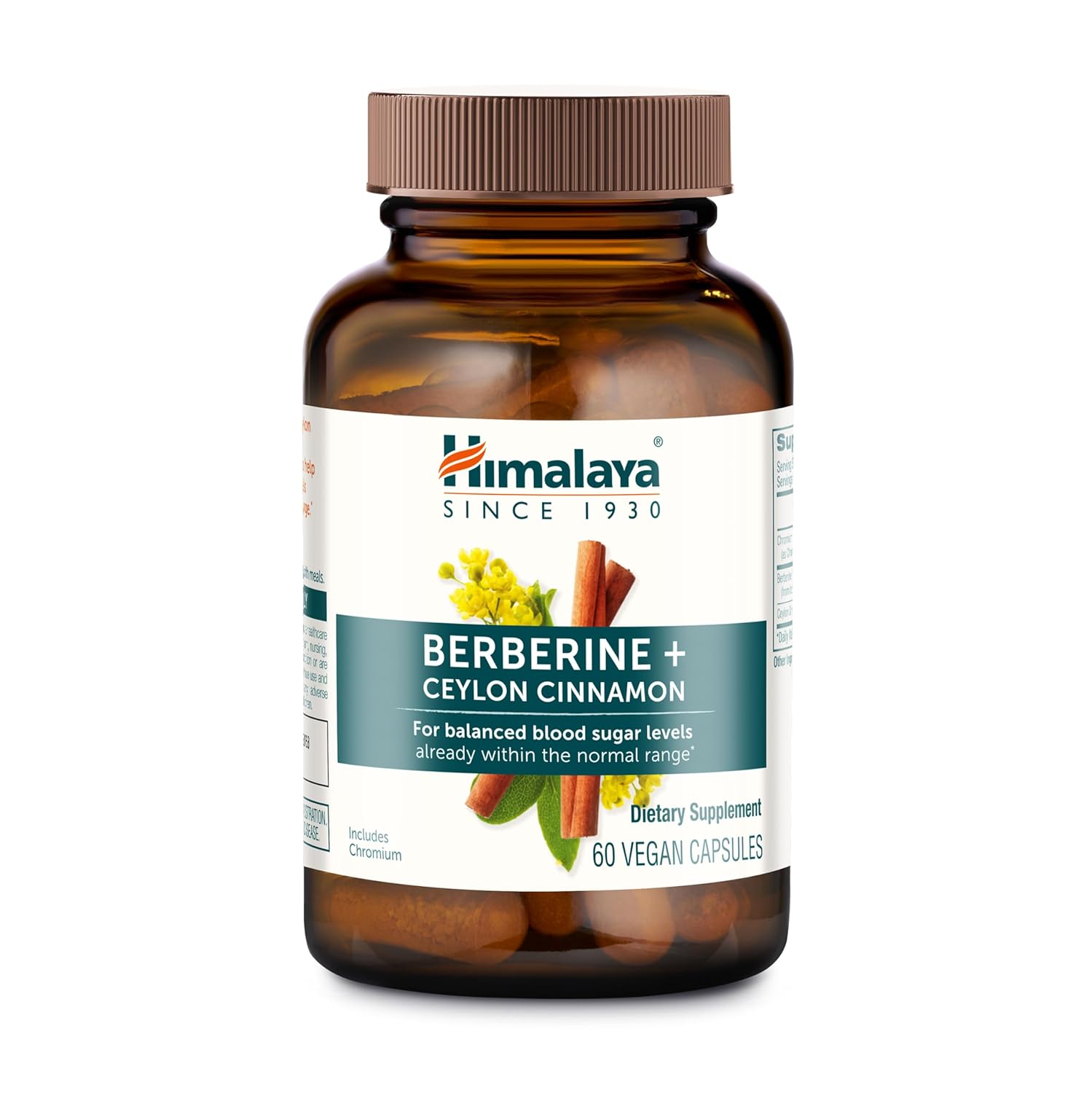
Himalaya Berberine with Ceylon Cinnamon
Best for: Buyers who want cinnamon and chromium in one capsule
The metabolic blend with synergists built in. Each capsule combines 400 mg of berberine HCl with 150 mg of Ceylon cinnamon (the lower-coumarin, safer cinnamon for daily use) and 200 mcg of chromium, two ingredients also studied for blood-sugar support. Himalaya is an established herbal brand with cGMP manufacturing and a long track record. The trade-off is that the per-capsule berberine dose is lower, so you take it twice daily with meals to reach a meaningful amount, and the cinnamon and chromium doses are supportive rather than maximal.
- Berberine plus Ceylon cinnamon and chromium
- Lower-coumarin Ceylon cinnamon, safer for daily use
- Established brand, cGMP made
- Convenient one-capsule dose, vegan
- Lower 400 mg berberine per capsule
- Synergist doses are modest
- No published per-batch COAs
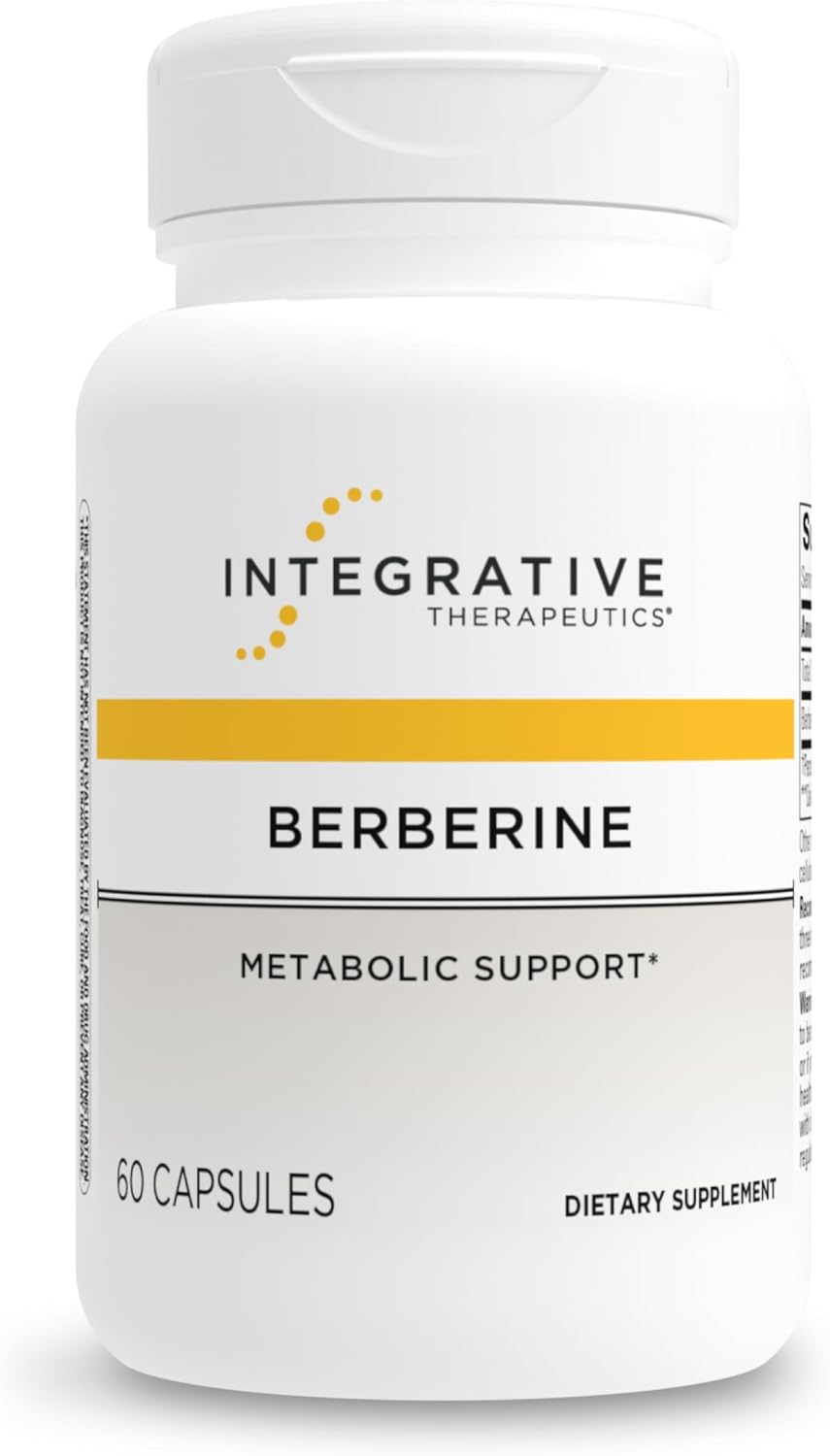
Integrative Therapeutics Berberine
Best for: Buyers who prefer a clinic-channel brand and flexible dosing
A solid practitioner-channel option. Integrative Therapeutics is a brand sold largely through clinicians, offering a clean 500 mg berberine HCl capsule that, like Toniiq, makes split dosing simple: take one with each of two or three meals. It is third-party tested and dairy- and gluten-free. There is nothing flashy here, no synergists and no special form, and it costs more than the budget picks, but it carries the trust of a clinic-grade label and a flexible single-capsule dose. It rounds out the list as a dependable, if unremarkable, choice.
- Clean 500 mg per capsule, easy to split
- Practitioner-channel quality
- Third-party tested
- Dairy-free and gluten-free
- Pricier than budget HCl options
- No synergists or special formulation
- Less consumer name recognition
The full lineup, side by side
Figures are per labeled serving. The fastest way to read this table is to start with the berberine dose and form, then check the testing column.
| Product | Berberine | Form | Caps | Added | Third-party | ~ Price / serving |
|---|---|---|---|---|---|---|
| Thorne | 1,000 mg | HCl | 2 | — | In-house, NSF facility | $1.47 |
| Toniiq | 500 mg | HCl (97%) | 1 | — | Per-batch COA | $0.33 |
| Nutricost | 1,200 mg | HCl | 2 | — | Third-party tested | $0.70 |
| HUM | 1,200 mg | HCl | 2 | BioPerine 5 mg | Triple tested | $1.17 |
| Double Wood | 100 mg | Dihydroberberine | 2 | — | Third-party tested | $0.38 |
| Himalaya | 400 mg | HCl | 1 | Cinnamon + chromium | In-house, cGMP | $0.62 |
| Integrative | 500 mg | HCl | 1 | — | Third-party tested | $0.55 |
Doses are per serving from current labels. Dihydroberberine is a different, better-absorbed molecule, so its 100 mg is not directly comparable to a milligram of standard berberine HCl. Prices change with pack size and retailer.
How to choose and use it safely
Get the dose and timing right
The clinical sweet spot is about 1,000 to 1,500 mg of berberine per day, split into 500 mg doses taken with meals. The split matters: berberine is poorly absorbed, so large single doses mostly just irritate the gut without adding benefit. Taking each dose with food, ideally a meal containing some fat, improves both tolerance and uptake. Start with one dose a day for a week to see how your stomach reacts before building up.
HCl or dihydroberberine?
Standard berberine HCl has by far the largest body of human evidence and is the right default. Dihydroberberine is absorbed more efficiently, so it works at a much smaller dose and may be gentler on digestion, but it has fewer long-term trials. Choose HCl for the proven track record; choose dihydroberberine mainly if regular berberine gives you diarrhea or cramping.
Set realistic expectations
Berberine is not a weight-loss drug and not nature's Ozempic. In studies it produces modest improvements in fasting blood sugar, long-term glucose markers, and cholesterol, working mainly by activating an energy-sensing enzyme called AMPK. Those effects are real but moderate, and they come on top of, not instead of, diet, exercise, and any prescribed treatment. We unpack the comparison in berberine, nature's Ozempic? and put it in context in our best metabolic health supplements guide.
Mind the interactions, every time
This is the part that matters most. Berberine inhibits the CYP3A4 enzyme and the P-glycoprotein transporter, which together affect how the body processes a large share of common medications, so it can raise or lower drug levels unpredictably. It also adds to the blood-sugar-lowering effect of diabetes drugs, which can push glucose too low. It is not safe in pregnancy, breastfeeding, or for infants. If you take any prescription medication, do not start berberine without clearing it with your doctor or pharmacist first.
Value over time
Because you take berberine two or three times a day, cost per day adds up. Toniiq and the budget HCl options keep a clinical dose well under a dollar a day, while premium and practitioner brands run higher for the testing and formulation. Match the spend to what you value: lowest cost, published lab results, or a trusted clinical brand.
Frequently asked questions
What is the best berberine supplement?
For most people, Thorne Berberine is the best all-round pick because it pairs a clinically used 1,000 mg per two-capsule serving with Thorne's exhaustive in-house testing and NSF-registered manufacturing. If you want the same quality at the lowest price, Toniiq and Nutricost are excellent value, and Double Wood's dihydroberberine is the pick if standard berberine upsets your stomach. Whatever you choose, talk to your doctor first, especially if you take any medication.
What is the right dose of berberine?
Most clinical studies use about 1,000 to 1,500 mg of berberine per day, split into two or three doses of roughly 500 mg taken with meals. Splitting the dose matters because berberine is poorly absorbed and large single doses are more likely to cause stomach upset. Taking it with food, and alongside the meal's fat, also helps. Do not exceed label directions, and start low to assess tolerance.
Is dihydroberberine better than berberine?
Dihydroberberine is a form that is absorbed more efficiently, so a smaller dose, often around 100 to 200 mg, can reach blood levels similar to a much larger dose of standard berberine, and it tends to be gentler on the stomach. What it does not have is the same large body of long-term human outcome trials that standard berberine HCl has. It is a reasonable choice mainly for people who get GI side effects from regular berberine.
Does berberine really work like Ozempic?
No. The nickname nature's Ozempic is misleading. Berberine has real, modest effects on blood sugar and cholesterol, but it is not a GLP-1 medication and does not produce anything close to the appetite suppression or weight loss of drugs like semaglutide. It works through different pathways, mainly activating an energy-sensing enzyme called AMPK. Treat it as a modest metabolic support, not a drug substitute.
What are the side effects and risks of berberine?
The most common side effects are digestive: diarrhea, constipation, cramping, and gas, all more likely at higher single doses. More importantly, berberine interacts with many medications because it inhibits the CYP3A4 enzyme and P-glycoprotein, and it can add to the blood-sugar-lowering effect of diabetes drugs. It should not be used during pregnancy or breastfeeding, or given to infants. Always check with a pharmacist or doctor before combining it with any medication.
Who should not take berberine?
Berberine is not appropriate for anyone who is pregnant, breastfeeding, or trying to conceive, or for newborns and infants. People taking diabetes medication, blood thinners, cyclosporine, or any drug processed by the liver's CYP3A4 enzyme should only use it under medical supervision because of interaction risks. If you have low blood pressure or are scheduled for surgery, discuss it with your doctor first.
The bottom line
The best berberine supplement is the one with a clinically sensible dose, serious testing behind it, and a price you can sustain twice a day. For most people that is Thorne, for its dose and trusted quality. Want verified potency for less, Toniiq is the value standout, with Nutricost the cheapest full dose. HUM adds an absorption enhancer, Double Wood offers the gentler dihydroberberine form, Himalaya blends in cinnamon and chromium, and Integrative Therapeutics brings clinic-channel trust. Just remember what berberine is and is not: a modest metabolic support with real evidence and real interaction risks, never a replacement for medication or for the basics of diet and movement. Clear it with your doctor, start low, and split the dose.