Few corners of the supplement aisle are as confusing as "metabolic health." The phrase is real and useful, it means how well your body handles blood sugar and insulin, along with your cholesterol, triglycerides, blood pressure, and waist size. But the shelf sells two very different things under that banner: honest blood-sugar and insulin support on one side, and "metabolism boosting" fat-burners on the other. The second group barely works. The first group has a handful of ingredients with genuinely good human evidence.
That is the line this ranking walks. We rewarded real human trials for the things that actually define metabolic health, fasting glucose, HbA1c, insulin sensitivity, and blood lipids, and we were skeptical of anything sold as a shortcut to a faster metabolism. We also ranked by evidence, not popularity, so the well-studied picks sit on top and the modest, hype-driven ones sit near the bottom. If you want the deeper background on the whole topic, pair this with our guide on why metabolic health is the foundation of long-term wellness. Here are the seven worth your money, and exactly who each is for.
The short version
- Best overall: Thorne Berberine. The strongest metabolic evidence; one trial found its blood-sugar effect comparable to metformin (budget brands work too).
- Best for insulin resistance / PCOS: Wholesome Story Inositol 40:1.
- Most underrated: NOW Psyllium fiber. Lowers both post-meal glucose and LDL cholesterol, for cents.
- Skip the hype: no supplement "boosts your metabolism" for weight loss. These support blood sugar, insulin, and lipids, not fat burning.
- Foundations first: diet, activity, sleep, and a healthy weight do more than any capsule.
How we ranked them
Metabolic supplements are easy to oversell, so we leaned on five hard filters:
- Real evidence. Does the ingredient have credible human trials for the markers that matter, fasting glucose, HbA1c, insulin sensitivity, or blood lipids?
- A mechanism that makes sense. Does it plausibly act on glucose, insulin, or lipid handling, rather than just promising a "faster metabolism"?
- Clinically useful dose. The amount studies actually used, in a form your body can absorb.
- Independent testing. Third-party verification (USP, NSF, Clean Label, organic, published COAs) where available.
- Value and onset. Cost per serving, and how long until you can fairly judge whether it works.
Scores are our editorial assessment on a five-point scale, not customer ratings. Note the order: it reflects the weight of the evidence, not sales. Berberine, inositol, and humble psyllium fiber rank above the popular-but-modest options like cinnamon and chromium, which sit at the bottom precisely because their evidence is thin.
The 7 best metabolic health supplements
Tap any product to jump straight to its full review.
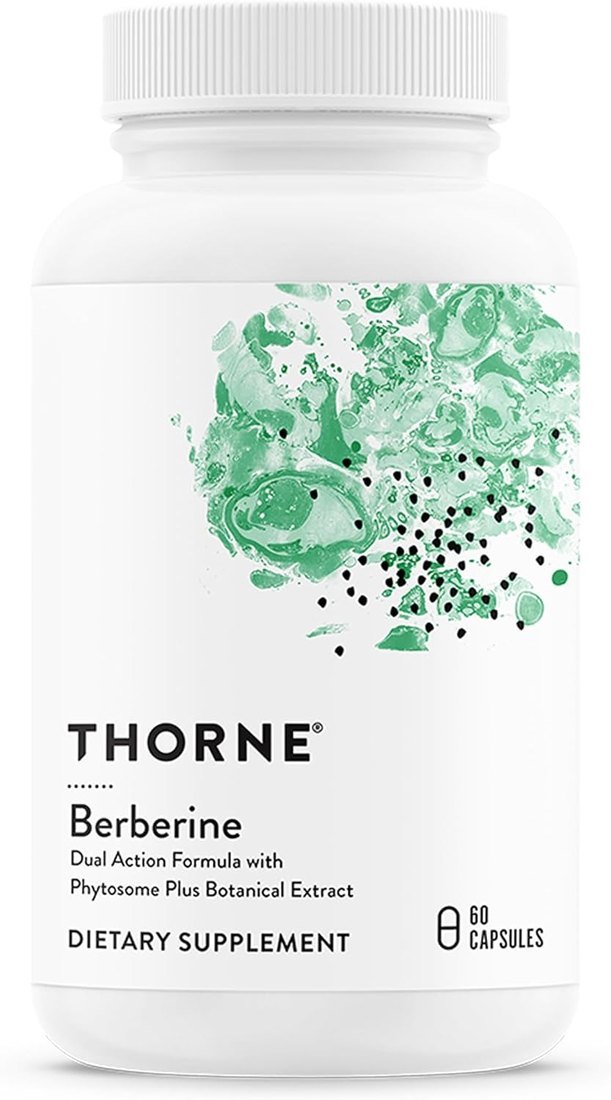
Thorne Berberine
Best for: the strongest all-around blood-sugar and lipid support
The most impressive metabolic ingredient you can buy, and our top pick. Berberine activates AMPK, the same energy-sensing pathway the drug metformin works on, and the human evidence is genuinely strong: in a head-to-head trial its blood-sugar effect was comparable to metformin, and placebo-controlled studies show meaningful drops in fasting glucose and HbA1c, plus better LDL cholesterol and triglycerides. That dual glucose-and-lipid action is why it tops the list. Thorne is the quality choice, a clean phytosome formula made in a cGMP facility, though the absorption upgrade is plausible rather than proven, and at about $1.40 a serving it is the priciest here (budget brands like Nutricost cost a fraction and use the same molecule). Two real cautions: berberine commonly causes GI upset, and it inhibits the CYP3A4 enzyme, so it interacts with many medications. Do not stack it with diabetes drugs without medical supervision, and avoid it in pregnancy.
- Blood-sugar effect comparable to metformin in a head-to-head trial
- Also lowers LDL cholesterol and triglycerides
- Clean phytosome formula from a cGMP facility
- Priciest here (~$1.40/serving); budget brands work too
- Commonly causes GI upset (split the dose with food)
- CYP3A4 drug interactions; avoid in pregnancy
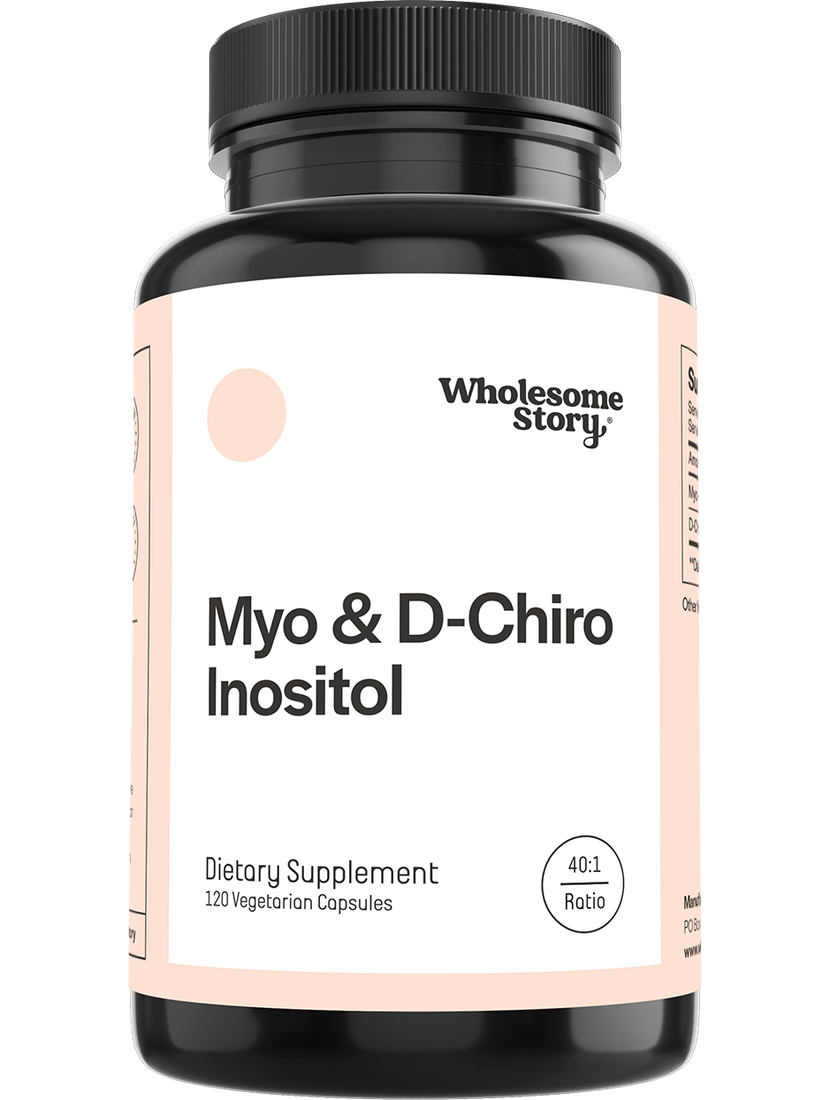
Wholesome Story Inositol 40:1
Best for: insulin resistance, especially with PCOS
The best-evidenced pick if your issue is insulin resistance, especially with PCOS. Inositol in the 40:1 ratio of myo- to D-chiro-inositol is the most-studied combination: a meta-analysis found it lowered fasting insulin and HOMA-IR (a marker of insulin resistance), the 40:1 ratio specifically restored ovulation better than other ratios in PCOS trials, and supplementation has been linked to a lower risk of gestational diabetes. Wholesome Story delivers the studied 2 g myo plus 50 mg D-chiro dose, third-party tested with a Clean Label Project award. Be clear on scope: the strong evidence is in women with PCOS or in pregnancy, and it is thinner in the general population and in men. It is also slow, working over 8 to 24 weeks, and the studied protocol is two servings a day, which roughly doubles the daily cost.
- Strong evidence for insulin sensitivity and PCOS
- The most-studied 40:1 ratio at the trial dose
- Third-party tested, Clean Label, well tolerated
- Evidence is mainly in women/PCOS, less in the general population
- Slow (8 to 24 weeks)
- Studied dose is two servings a day
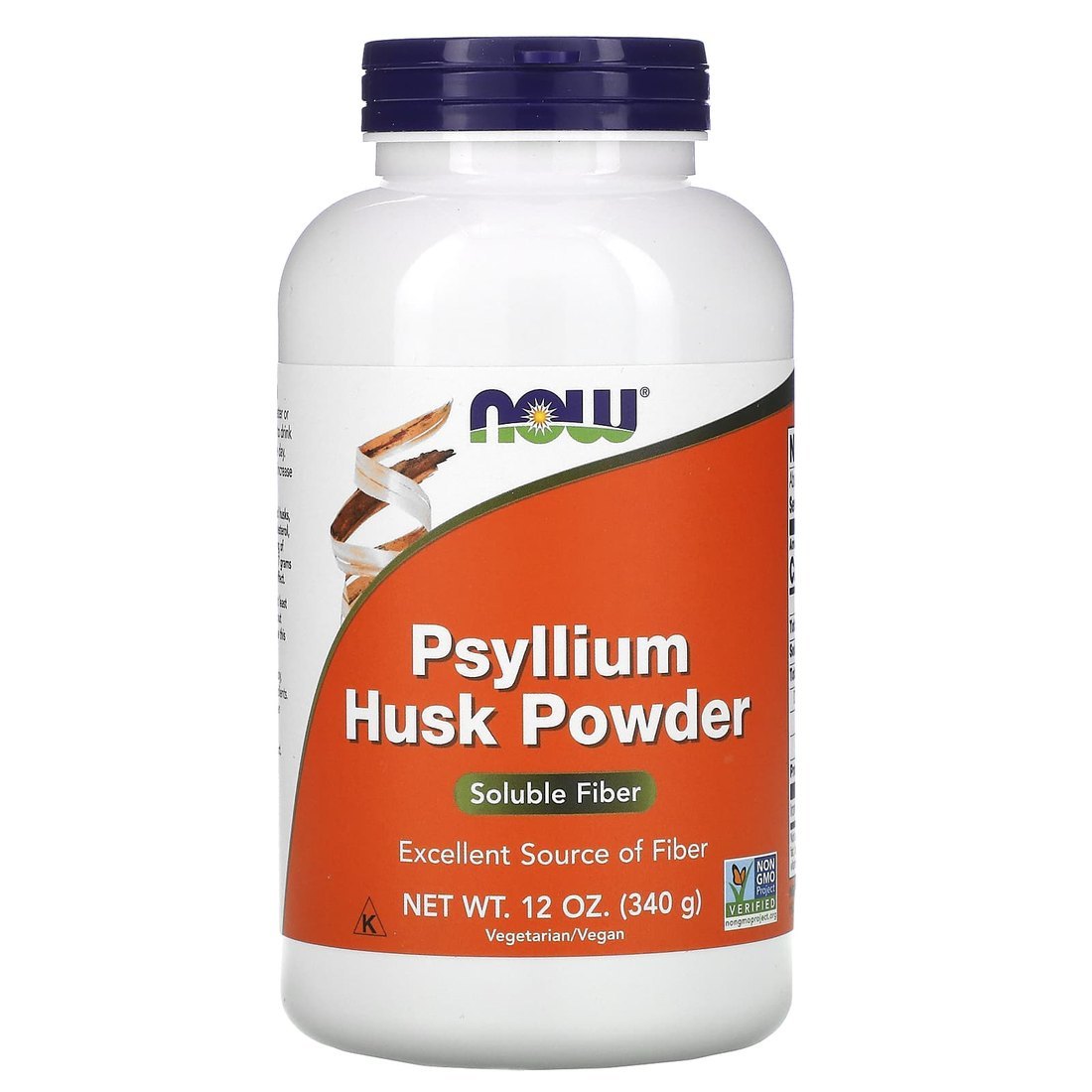
NOW Psyllium Husk Powder
Best for: post-meal glucose and lowering cholesterol, cheaply
The most underrated pick on this list, and the cheapest place to start. Psyllium is a viscous soluble fiber that forms a gel in the gut, slowing how fast sugar is absorbed and binding bile acids to pull down cholesterol. The evidence is strong on both fronts: a meta-analysis of 28 trials found it lowered LDL cholesterol, and a separate analysis found it cut fasting glucose and HbA1c in people with type 2 diabetes, with the biggest benefit in those whose blood sugar was most elevated. Uniquely here, the glucose effect is essentially per-meal, not a slow build. NOW's plain husk powder is Non-GMO Project Verified and costs about thirty cents a serving. The catch is logistics: take it with a full glass of water (taken dry it can swell and choke), it can cause bloating at first, and you should take it apart from other medications.
- Lowers both LDL cholesterol and post-meal glucose
- Works per-meal, not only over weeks
- Cheap, foundational, Non-GMO verified
- Must take with plenty of water (choking risk otherwise)
- Can cause bloating and gas at first
- Take separately from medications
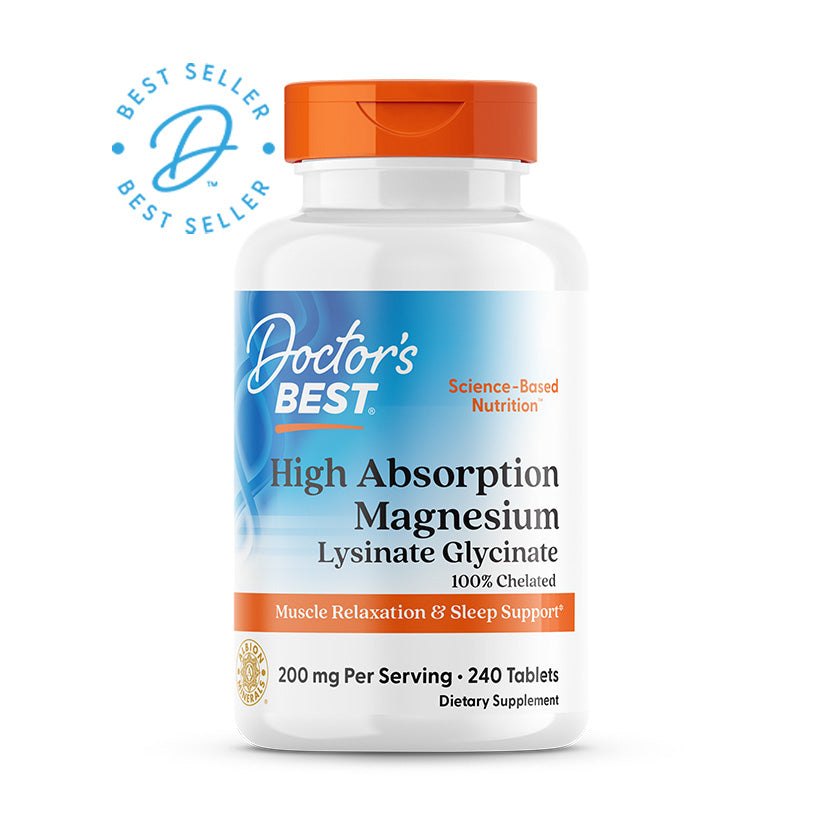
Doctor's Best Magnesium Glycinate
Best for: a foundational mineral, especially if you run low
A foundational mineral that does the most for the people who are short on it. Low magnesium is common and is linked to insulin resistance, and supplementation has improved HOMA-IR and fasting glucose in trials, with the clearest benefit in people who are deficient or insulin-resistant and over at least four months of use; large population studies also tie higher magnesium intake to lower type 2 diabetes risk. Form matters: this Doctor's Best product is a well-absorbed lysinate-glycinate chelate (TRAACS), not the cheap, laxative oxide, and it is gentle and good value at about seventeen cents a serving. Honest caveats: if your magnesium is already adequate the metabolic payoff is small, high doses cause loose stools, and it is more of a foundation than a fix. If you want to compare forms, see our dedicated magnesium supplement ranking.
- Corrects a common deficiency tied to insulin resistance
- Gentle, well-absorbed glycinate chelate (not oxide)
- Excellent value (~$0.17/serving)
- Biggest benefit is in people who are deficient
- Slow (months) and foundational, not a quick fix
- High doses cause loose stools
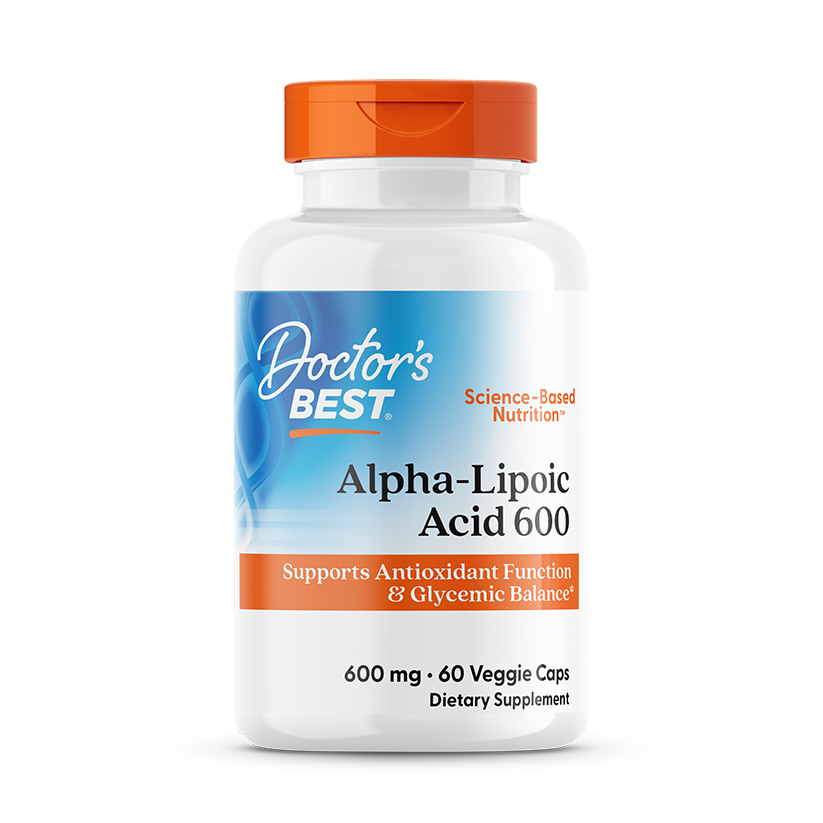
Doctor's Best Alpha-Lipoic Acid 600
Best for: an antioxidant with nerve-symptom evidence
A versatile antioxidant with a split evidence profile worth understanding. Alpha-lipoic acid (ALA) is best proven for diabetic nerve symptoms: in the SYDNEY 2 trial, oral 600 mg a day meaningfully reduced neuropathy symptoms, and 600 mg was the sweet spot for benefit versus side effects. For pure metabolic markers it is more modest, meta-analyses show small, statistically real but sub-clinical drops in fasting glucose and body weight. Doctor's Best delivers the studied 600 mg dose at good value. Take it on an empty stomach for absorption, expect possible GI upset, and note it can lower blood sugar (additive with diabetes meds). It is racemic, so a 600 mg cap supplies roughly 300 mg of the active R-form.
- Strong evidence for diabetic nerve symptoms at 600 mg
- Antioxidant with modest glucose and weight effects
- Studied dose, good value
- Metabolic (glucose/weight) effects are small
- Best on an empty stomach; can cause GI upset
- Lowers blood sugar; racemic (about half is active R-ALA)
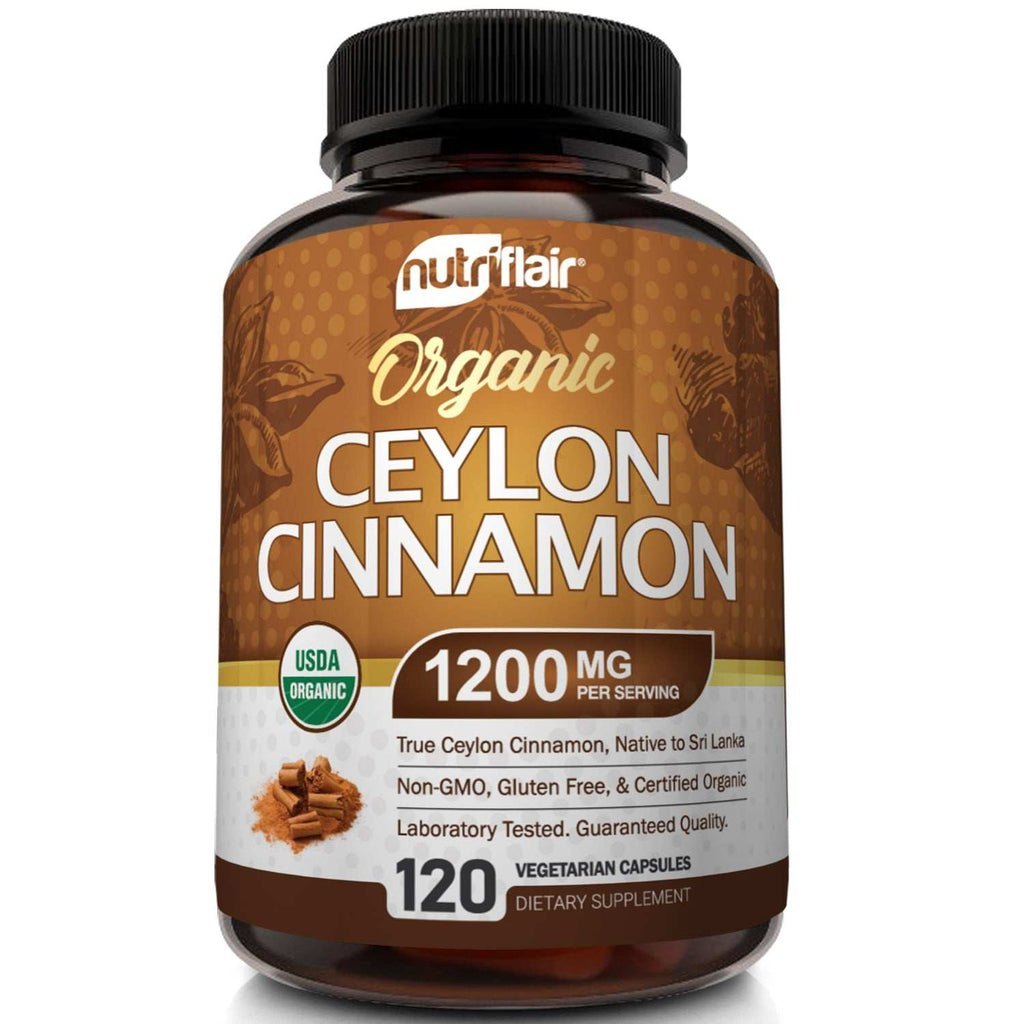
NutriFlair Organic Ceylon Cinnamon
Best for: a cheap, low-risk add-on
A cheap, pleasant adjunct with honestly modest evidence. Cinnamon may slightly lower fasting glucose, meta-analyses have found small reductions, but the trials are mixed and heterogeneous, HbA1c (long-term control) rarely improves, and a Cochrane review concluded there was insufficient evidence to recommend it. NutriFlair uses Ceylon ("true") cinnamon, which matters for safety: common Cassia cinnamon is high in coumarin, a compound that can stress the liver with daily use, while Ceylon is very low in it. The trade-off is that most positive studies actually used Cassia, so Ceylon's own glucose data is thinner. It is USDA Organic and third-party tested. Treat it as a low-risk add-on, not a primary tool.
- Ceylon is very low in coumarin (safer than Cassia for daily use)
- Small fasting-glucose signal in meta-analyses
- USDA Organic, third-party tested, cheap
- Evidence is modest, mixed, and weak for HbA1c
- Most positive trials used Cassia, not Ceylon
- An adjunct at best, not a primary therapy
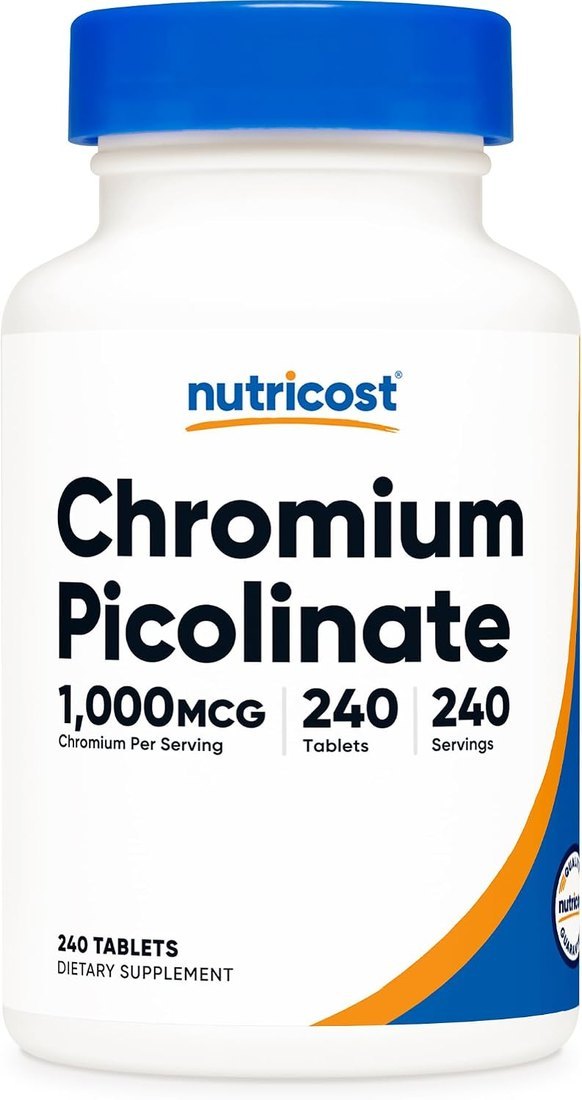
Nutricost Chromium Picolinate
Best for: the cheapest possible experiment
The most skeptical pick on this list, included because it is popular and cheap, not because the evidence is convincing. Some meta-analyses report small drops in fasting glucose and HbA1c with chromium picolinate, but the trials are heterogeneous and low quality, the NIH and the American Diabetes Association do not recommend it for blood sugar, and any benefit may be limited to the rare person who is genuinely chromium-deficient. Nutricost's version is exceptionally cheap (about a nickel a serving) and third-party tested, but note it is a high 1,000 mcg dose and contains lactose, so it is not vegan. If you want to try the cheapest possible experiment it is reasonable, but spend your money on the top picks first.
- Extremely cheap (~$0.05/serving) and third-party tested
- Some meta-analyses show small glucose/HbA1c drops
- Well tolerated at normal doses
- NIH and the ADA do not recommend it for blood sugar
- Benefit may require actual deficiency (which is rare)
- High 1,000 mcg dose; contains lactose (not vegan)
The full lineup, side by side
The fastest way to read this table: pick the row that matches your goal (blood sugar, insulin resistance, or cholesterol), then weigh onset and cost. The top three carry the strongest evidence; the bottom two are cheap adjuncts, not primary tools.
| Product | Type | Key actives | Onset | Tested | Servings | ~ Price / serving |
|---|---|---|---|---|---|---|
| Thorne Berberine | Blood sugar | Berberine 1,000 mg | 4-12 wk | cGMP, in-house | 30 | $1.40 |
| Wholesome Story Inositol | Insulin | Myo + D-chiro 40:1 (2,050 mg) | 8-24 wk | 3rd-party, Clean Label | 30 | $0.93 |
| NOW Psyllium Husk | Fiber | 6 g soluble fiber | Acute (per meal) | Non-GMO Verified | 38 | $0.30 |
| Doctor's Best Magnesium | Mineral | 200 mg elemental (glycinate) | 3-4 mo | TRAACS chelate | 120 | $0.17 |
| Doctor's Best Alpha-Lipoic Acid | Antioxidant | ALA 600 mg | 3-5 wk | Non-GMO, GMP | 60 | $0.28 |
| NutriFlair Ceylon Cinnamon | Botanical | Ceylon 1,200 mg | 4-12 wk | USDA Organic | 60 | $0.30 |
| Nutricost Chromium | Mineral | Cr picolinate 1,000 mcg | 8-12 wk | 3rd-party | 240 | $0.05 |
Prices are approximate per-serving estimates from current pack sizes and change often. Onset is how long studies typically ran before a benefit appeared, so treat it as a minimum fair trial. Inositol's studied protocol is two servings a day, so its real daily cost is roughly double the per-serving figure.
How to choose the right one for you
First, match it to your goal
"Metabolic health" covers a few different problems, and the best pick depends on yours. For general blood-sugar support, berberine has the strongest evidence (with cinnamon and chromium as cheaper, weaker adjuncts). For insulin resistance or PCOS, inositol and magnesium make the most sense. For cholesterol plus post-meal glucose, psyllium fiber is the standout. And alpha-lipoic acid is the pick if antioxidant support or diabetic nerve symptoms are your concern. Our blood sugar support guide goes deeper on the glucose angle.
Respect the drug interactions, this is the big one
More than any other category, metabolic supplements interact with medication. Berberine, alpha-lipoic acid, inositol, cinnamon, chromium, and psyllium can all lower blood sugar, so stacking them with metformin, insulin, or sulfonylureas can add up to hypoglycemia. Berberine additionally inhibits the CYP3A4 enzyme and can raise the levels of many drugs, and psyllium can blunt the absorption of medication taken at the same time. If you take any prescription, talk to your doctor before adding these, monitor your blood sugar, and never replace a prescribed medication with a supplement.
Don't chase a "metabolism boost"
The single most important thing to understand is that no supplement meaningfully speeds up your metabolic rate to drive weight loss. Products marketed as "metabolism boosters" or "fat burners" lean on caffeine and untested blends, and the effect on actual fat loss is trivial. The ingredients that genuinely matter here work on blood sugar, insulin sensitivity, and blood lipids. If weight is your goal, these can support the metabolic picture, but a calorie deficit, protein, strength training, and sleep do the heavy lifting.
Put the foundations first
Every ingredient on this list is an add-on to, not a replacement for, the basics. Losing excess weight, walking after meals, strength training, prioritizing protein and fiber, cutting refined carbs and ultra-processed food, and sleeping well move your glucose, insulin, and lipids more than any capsule. Use a supplement to nudge an already-improving picture, not to rescue a diet that is working against you.
Give it a fair trial, and look for testing
Apart from psyllium's per-meal effect, most of these work slowly: judge them over 8 to 12 weeks, ideally with before-and-after bloodwork (fasting glucose, HbA1c, a lipid panel) so you have real numbers, not a feeling. And because this is a crowded, lightly-regulated category, favor products with independent verification, a USP or NSF mark, organic certification, a Clean Label award, or published certificates of analysis.
Frequently asked questions
What is the best supplement for metabolic health?
For most people the best-evidenced single pick is berberine, which lowers fasting glucose and HbA1c and improves cholesterol; in one head-to-head trial its blood-sugar effect was comparable to the drug metformin. The right choice depends on your goal: inositol (in the 40:1 ratio) is best for insulin resistance and PCOS, and psyllium fiber is excellent for both post-meal glucose and LDL cholesterol. No supplement replaces the foundations, diet, activity, sleep, and a healthy weight do far more than any capsule.
Does berberine really work like Ozempic or metformin?
Berberine works on AMPK, the same energy-sensing pathway as metformin, and in a small head-to-head trial its effect on blood sugar was comparable to metformin, with placebo-controlled studies showing meaningful drops in fasting glucose, HbA1c, and LDL cholesterol. But the trials are mostly small and modest in quality, berberine commonly causes GI upset, and it interacts with many medications. It is not a GLP-1 drug like Ozempic and is not a substitute for prescribed treatment.
Can supplements boost your metabolism for weight loss?
Not in any meaningful way. No pill reliably raises your metabolic rate enough to drive weight loss; "metabolism booster" and "fat burner" products are mostly hype, often built on caffeine or untested blends. The supplements that genuinely support metabolic health work on blood sugar, insulin sensitivity, and blood lipids, not on burning fat. Weight loss still comes down to diet, activity, sleep, and a sustained calorie deficit.
How long do metabolic health supplements take to work?
It varies by mechanism. Psyllium fiber blunts post-meal glucose essentially at the next meal, while its cholesterol benefit takes a few weeks. Berberine and cinnamon work over roughly 4 to 12 weeks, inositol over 8 to 24 weeks, and magnesium's glycemic benefit showed up mainly after about four months. Give any of them a fair 8-to-12-week trial, alongside diet and activity, before judging it.
Are these supplements safe to take with diabetes medication?
Use real caution. Berberine, alpha-lipoic acid, inositol, cinnamon, chromium, and psyllium can all lower blood sugar, so combining them with metformin, insulin, or sulfonylureas can add up and cause hypoglycemia. Berberine also inhibits the CYP3A4 enzyme and can change the levels of many drugs, and psyllium can blunt drug absorption if taken at the same time. Talk to your doctor before combining any of these with medication, monitor your blood sugar, and never stop a prescribed drug to use a supplement.
Which metabolic supplement has the strongest evidence?
Berberine has the strongest overall evidence for both blood sugar and lipids, inositol has strong evidence for insulin sensitivity (especially in PCOS), and psyllium fiber has solid meta-analysis support for lowering glucose and LDL cholesterol. Magnesium and alpha-lipoic acid are moderate, with magnesium most useful in people who are deficient. Cinnamon and chromium are the weakest: their effects are small and inconsistent, and the NIH and American Diabetes Association do not recommend chromium for blood sugar control.
The bottom line
Most of the "metabolism" aisle is noise, but a few products earn their place. For most people, berberine is the smartest starting point: the strongest evidence for blood sugar and lipids, with budget brands working as well as premium ones. If insulin resistance or PCOS is your issue, inositol is the pick; for cholesterol and post-meal glucose, humble psyllium fiber is the best value on the list. Magnesium is a foundational mineral worth correcting if you run low, alpha-lipoic acid is a solid antioxidant, and cinnamon and chromium are cheap adjuncts with honestly modest evidence. Whatever you choose, respect the drug interactions, ignore the "metabolism booster" hype, track your bloodwork, and keep the foundations, diet, activity, sleep, and a healthy weight, firmly first.