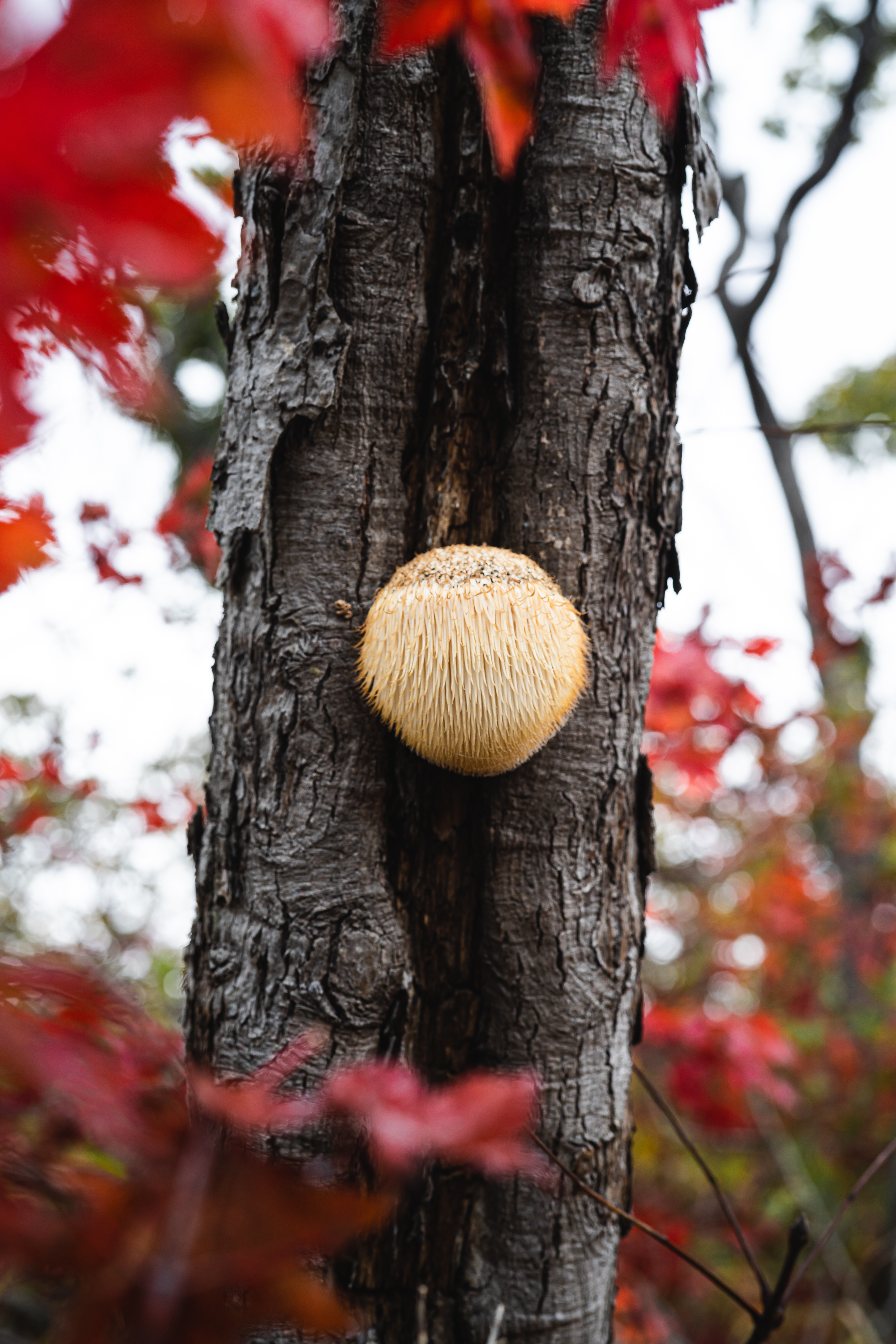
Mushrooms aren’t just tasty additions to your meals—they’ve been treasured for centuries in traditional Chinese, Japanese, and Korean medicine for their remarkable health benefits. In recent years, functional mushrooms (also called medicinal mushrooms) have surged in popularity as dietary supplements supporting brain health, immune function, sustained energy, and stress resilience. If you’re curious about how mushroom supplements can elevate your wellness routine, this comprehensive guide covers the science, dosing, and practical use of the top five.
🧬 What Makes Functional Mushrooms Special?
Unlike culinary mushrooms (button, portobello, shiitake), functional mushrooms contain concentrated bioactive compounds that have been studied for their pharmacological effects. The key compounds include:
- Beta-glucans — complex polysaccharides that activate immune cells (especially natural killer cells and macrophages) and modulate inflammation. Beta-glucans are the primary “active ingredient” in most medicinal mushroom research.
- Triterpenoids — compounds especially abundant in Reishi that support liver function, sleep, and have adaptogenic effects on the stress response.
- Hericenones and erinacines — unique compounds in Lion’s Mane that cross the blood-brain barrier and stimulate Nerve Growth Factor (NGF) production.
- Cordycepin — an adenosine analog in Cordyceps that supports cellular ATP production and athletic endurance.
- Ergosterol and antioxidant polyphenols — common across most species, supporting cellular health and reducing oxidative stress.
🎯 Why Supplement Instead of Just Eating Mushrooms?
While eating fresh mushrooms is healthy, achieving therapeutic doses through diet alone is impractical. Most clinical studies use standardized extracts with concentrations of 20–40% beta-glucans — far higher than raw mushrooms (typically 1–3%). Quality extracts also remove chitin (the indigestible cell wall) so the bioactive compounds become bioavailable. This is why dose form matters: a hot-water extract of Reishi has dramatically different effects than the same weight of raw Reishi powder.
🌟 The Top 5 Functional Mushrooms
1. Lion’s Mane (Hericium erinaceus) 🧠
Dose: 500–1,000 mg/day of standardized extract (with >30% beta-glucans), or 1–3 g/day of dried mushroom powder. Cognitive effects typically require 8–16 weeks of consistent use.
Key benefits: Lion’s Mane is the most-studied mushroom for cognitive function. Its hericenones and erinacines stimulate Nerve Growth Factor (NGF) and Brain-Derived Neurotrophic Factor (BDNF), which support neuron health, repair, and growth. A 16-week RCT in older adults with mild cognitive impairment showed significant improvements on cognitive function scores compared to placebo. There’s also early evidence for mood support, particularly in mild depression and anxiety.
Best for: Students, professionals, knowledge workers, anyone aging healthily, or those experiencing brain fog or mild cognitive decline.
2. Cordyceps (Cordyceps militaris / sinensis) ⚡
Dose: 1,000–3,000 mg/day mycelium powder, or 400–800 mg/day of standardized extract. Note: most commercial “cordyceps” products use the cultivated C. militaris, which is more sustainable and equally effective as the wild C. sinensis.
Key benefits: Cordyceps has been studied for athletic performance, with multiple trials showing improvements in VO2 max (oxygen utilization), time-to-exhaustion, and post-exercise recovery. The mechanism appears to involve enhanced ATP production and improved oxygen efficiency in muscle tissue. It’s also studied for immune modulation and respiratory support.
Best for: Athletes, endurance trainers, people with chronic fatigue, or anyone seeking sustained energy without stimulants.
3. Reishi (Ganoderma lucidum) 🌿
Dose: 1.5–9 g/day whole mushroom powder, or 1–1.5 g/day standardized extract.
Key benefits: Known as the “mushroom of immortality” in traditional Chinese medicine, Reishi is the most-studied adaptogen mushroom. Its triterpenoids and beta-glucans support immune balance (modulating both immune over- and under-activity), promote restful sleep, and reduce stress markers. Some studies also show benefits for liver function and metabolic health. Reishi is bitter, so most people prefer capsules or tinctures over powder.
Best for: Stress, sleep difficulties, immune support, busy professionals, or those wanting an evening adaptogen (it’s mildly sedating, unlike stimulating Cordyceps).
4. Chaga (Inonotus obliquus) 🔥
Dose: 500–1,500 mg/day of dual-extracted Chaga.
Key benefits: Chaga has the highest ORAC (antioxidant capacity) of any mushroom and contains betulinic acid (from the birch trees it grows on), inotodiol, and abundant melanin. Research shows it supports cellular antioxidant defense, may modulate inflammatory pathways, and has potential immune-supporting effects. It’s traditionally consumed as a tea in Russian and Siberian folk medicine.
Best for: Antioxidant support, skin health, immune resilience, and those interested in “longevity-focused” supplements.
5. Turkey Tail (Trametes versicolor) 🦃
Dose: 1,000–3,000 mg/day of standardized extract.
Key benefits: Turkey Tail contains two well-studied beta-glucan compounds — PSK (polysaccharide-K) and PSP (polysaccharide-peptide) — that have decades of immune-modulation research. PSK is actually used as an adjuvant cancer therapy in Japan. For everyday use, Turkey Tail supports gut microbiome diversity and immune function. The polysaccharides also act as prebiotics, feeding beneficial gut bacteria.
Best for: Immune support, gut health, post-illness recovery, or anyone interested in the gut-immune axis.
🤔 How to Choose a Quality Mushroom Supplement
The functional mushroom market has serious quality issues. Here’s what to look for:
- Fruiting body vs. mycelium: The fruiting body (the actual mushroom) typically contains higher beta-glucan concentrations than mycelium grown on grain. Look for “100% fruiting body” or “dual-extracted fruiting body.”
- Standardization: Quality extracts list specific beta-glucan content (look for >15% beta-glucans). “Polysaccharide” numbers can be inflated by including starch from grain substrate.
- Dual extraction: Hot water extracts polysaccharides (beta-glucans), while alcohol extracts triterpenoids and sterols. Dual-extracted products capture both.
- Third-party testing: Look for COAs (certificates of analysis), third-party testing for heavy metals, and clear sourcing.
- USDA Organic: Mushrooms readily absorb whatever is in their growing substrate, including heavy metals. Organic certification reduces contamination risk.
💡 Practical Tips for Using Mushroom Supplements
- Start low, go slow: Begin with the lower end of the dose range and increase over 2–4 weeks. This minimizes any digestive adjustment.
- Stack strategically: Many people stack Lion’s Mane (morning, for cognition) with Cordyceps (pre-workout, for energy) and Reishi (evening, for sleep and stress). Each targets a different physiological domain.
- Be patient: Unlike stimulants, functional mushrooms work over weeks. Cognitive benefits from Lion’s Mane and adaptogenic effects from Reishi typically need 6–12 weeks to show.
- Consider cycling: Some practitioners recommend 5 days on / 2 days off, or 8 weeks on / 2 weeks off, especially for adaptogens.
- Form matters: Capsules are convenient but powders allow flexible dosing and can be added to coffee, smoothies, or broths.
⚠️ Safety Considerations
Functional mushrooms are generally well-tolerated, with side effects (when reported) typically limited to mild digestive upset at high doses. However, some considerations:
- Anticoagulant interaction: Reishi and other beta-glucan-rich mushrooms can have mild blood-thinning effects. Consult your doctor if you take warfarin, aspirin, or other anticoagulants.
- Immune-modulator caution: Because these mushrooms modulate immune function, people with autoimmune conditions or those on immunosuppressive therapy should consult a healthcare provider.
- Pregnancy and breastfeeding: Limited safety data; consult a healthcare provider.
- Mushroom allergies: Rare but possible. Discontinue if you experience any allergic-type symptoms.
🍄✨ The Bottom Line
Functional mushroom supplements offer a natural, well-researched approach to supporting cognition, energy, immunity, and stress resilience. Unlike many supplement categories, they have both centuries of traditional use AND a growing body of modern clinical research. The keys to success are choosing quality products (standardized extracts from fruiting bodies), being patient with results (most benefits emerge over weeks), and matching the right mushroom to your specific goals. Whether you’re looking for sharper focus, more endurance, better sleep, or stronger immune function, there’s likely a mushroom supplement that fits.
For more detailed research on individual ingredients, explore our deep-dive pages on Lion’s Mane, Cordyceps, and Reishi.