Valerian is one of the oldest sleep herbs in the world, and one of the most honestly complicated. Some people swear it settles them for the night; the research says it might modestly help how you rate your sleep, but often does nothing measurable on a sleep recording. So this guide does two things: it is candid that the evidence is genuinely mixed, and, if you want to try it, it ranks the products worth trusting on what matters, which is a standardized valerenic-acid content, a clean single-ingredient formula, and honest testing.
The short story: Nature's Way Valerian Premium Extract is the honest default, a single-ingredient extract standardized to 0.8 percent valerenic acids and batch-verified to that potency. But read the box below first, because with valerian your expectations and your patience matter as much as the brand.
Read this first: the evidence is genuinely mixed
Valerian may help subjective sleep, but not reliably. The most-cited review (Bent and colleagues, 2006) looked at 16 trials in 1,093 people. In the 6 trials that used a simple better-sleep yes-or-no outcome, valerian users were about 80 percent more likely to report better sleep. But the authors were candid: most studies were low quality, there was evidence of publication bias, and the five trials using objective sleep recordings showed no consistent measurable effect. So valerian may support relaxation and how you rate your sleep, but it does not reliably change measured sleep, and it does not treat insomnia.
How to use it. Look for a product standardized to about 0.8 percent valerenic acids, expect to use it consistently for around two weeks rather than as an instant knockout, and know it has a strong, earthy smell.
Cautions. Do not combine valerian with alcohol, benzodiazepines, or other sedatives, use caution before driving, and avoid it in pregnancy and breastfeeding. Rare liver-injury reports exist, mostly with multi-herb products.
The short version
- Best overall: Nature's Way, standardized to 0.8 percent valerenic acids and batch-verified.
- Best standardized: Solaray, a once-daily standardized capsule.
- Standardization beats big extract math. Look for valerenic acids, not a vague 4:1 number.
- Set expectations: mixed evidence, roughly two-week onset, and do not stack it with sedatives.
How we ranked them
Because valerian works slowly and the evidence is mixed, we treated honest labeling and standardization as more important than big potency claims. We weighed four things:
- Valerenic-acid standardization. A stated valerenic-acid content is the marker most tied to any effect, so it ranks above vague extract math for valerian.
- Single-ingredient clarity. Plain valerian lets you control the dose; multi-herb blends dilute it.
- Testing and transparency. Batch verification, third-party or GMP credentials, and published testing.
- Value and dosing. A clear, honest dose at a fair price.
Scores are our editorial assessment on a five-point scale, reflecting product quality, not a promise the ingredient will work for you. Prices are approximate and change often.
The 7 best valerian supplements
Tap any product to jump straight to its full review.
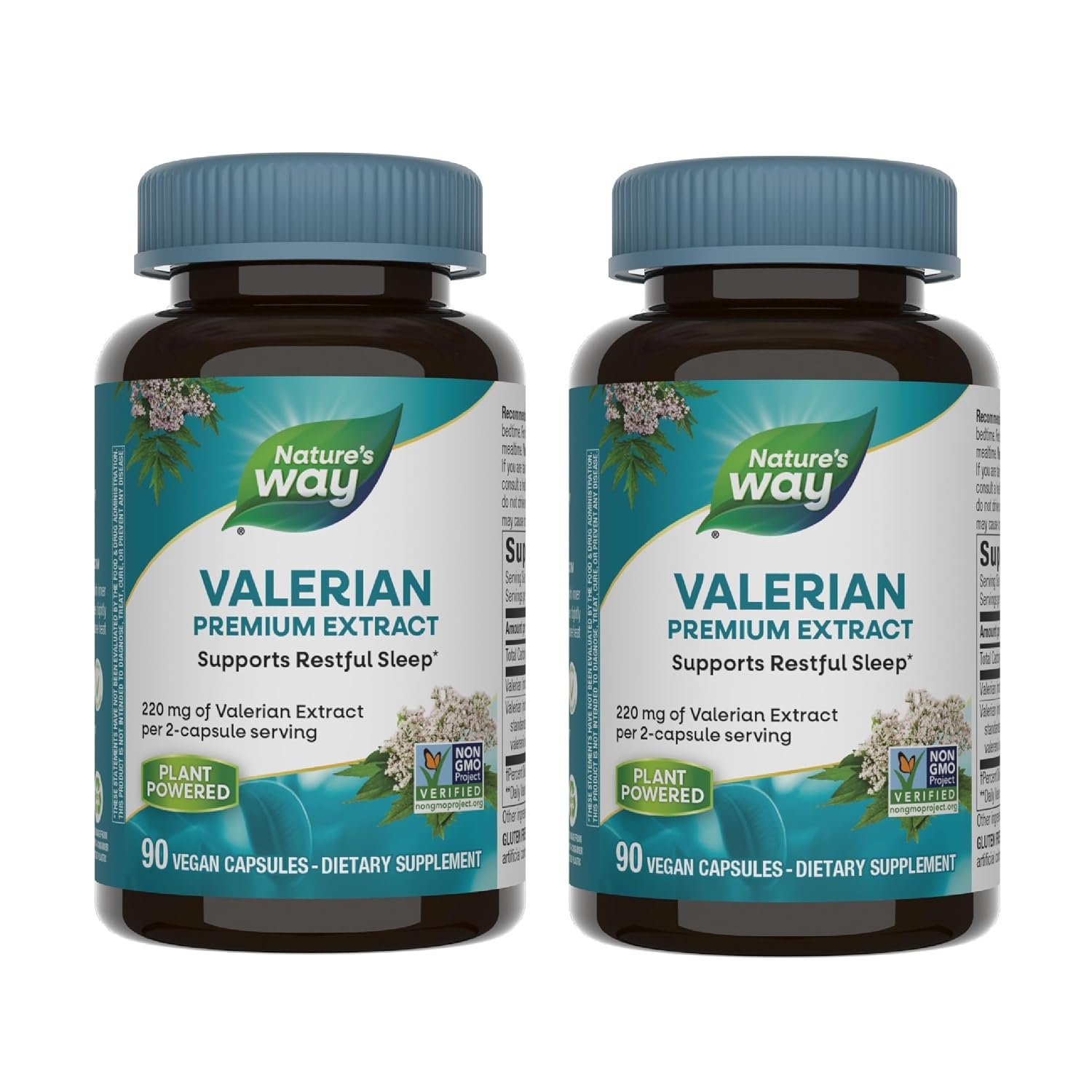
Nature's Way Valerian Premium Extract
Best for: A standardized, batch-verified single herb
The honest buyer's default. Nature's Way is a single-ingredient valerian extract standardized to 0.8 percent valerenic acids, the marker most linked to any effect, and the brand states it analyzes every batch to that potency. It is Non-GMO Project Verified and clearly labeled, so you know what you are taking, which is exactly what you want from a slow-acting herb whose evidence is mixed. The honest caveat is the herb itself, not the product: 0.8 percent works out to only about 1.76 mg of valerenic acids per serving, so any effect is still subtle and builds over time.
- Standardized to 0.8 percent valerenic acids
- Batch-verified to the labeled potency
- Single-ingredient, Non-GMO Verified
- Clear, honest labeling
- Effect is subtle and slow (herb, not product)
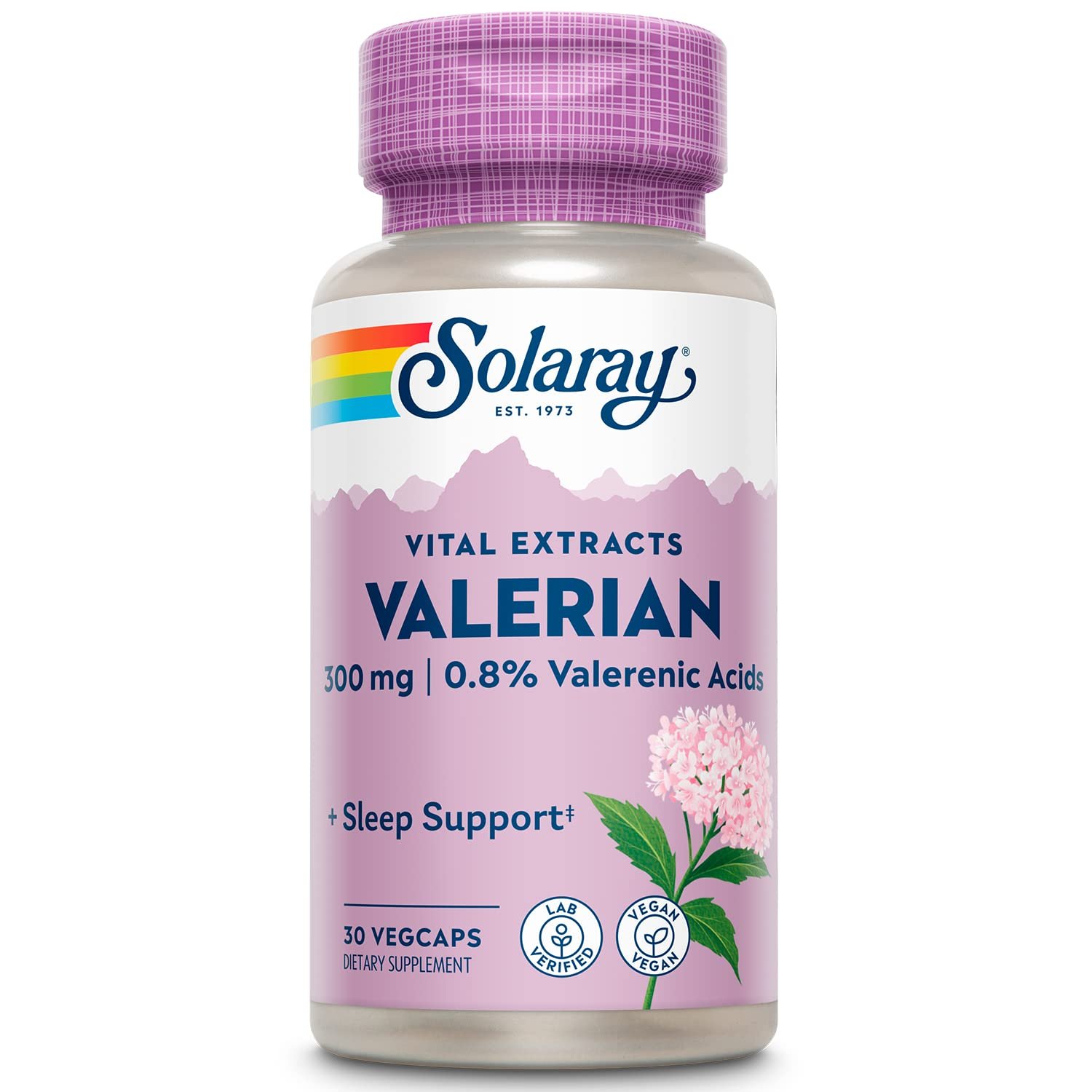
Solaray Valerian Root Extract One Daily
Best for: A once-daily standardized capsule
The simplest standardized option. Solaray delivers the marker dose in one 300 mg standardized capsule, guaranteed to 0.8 percent (2.4 mg) valerenic acids, lab verified for potency, purity, and identity. A single once-daily capsule is easy to take and easy to track, and the slightly higher valerenic-acid figure than our top pick is a small plus. It sits just behind Nature's Way for two practical reasons: it comes in a small 30-count bottle, and it costs more per serving than plain whole-root capsules. If you value one-and-done simplicity, it is arguably the nicest to use.
- Standardized 0.8 percent (2.4 mg) valerenic acids
- One convenient capsule a day
- Lab verified for potency and identity
- Small 30-count bottle
- Higher cost per serving than whole root
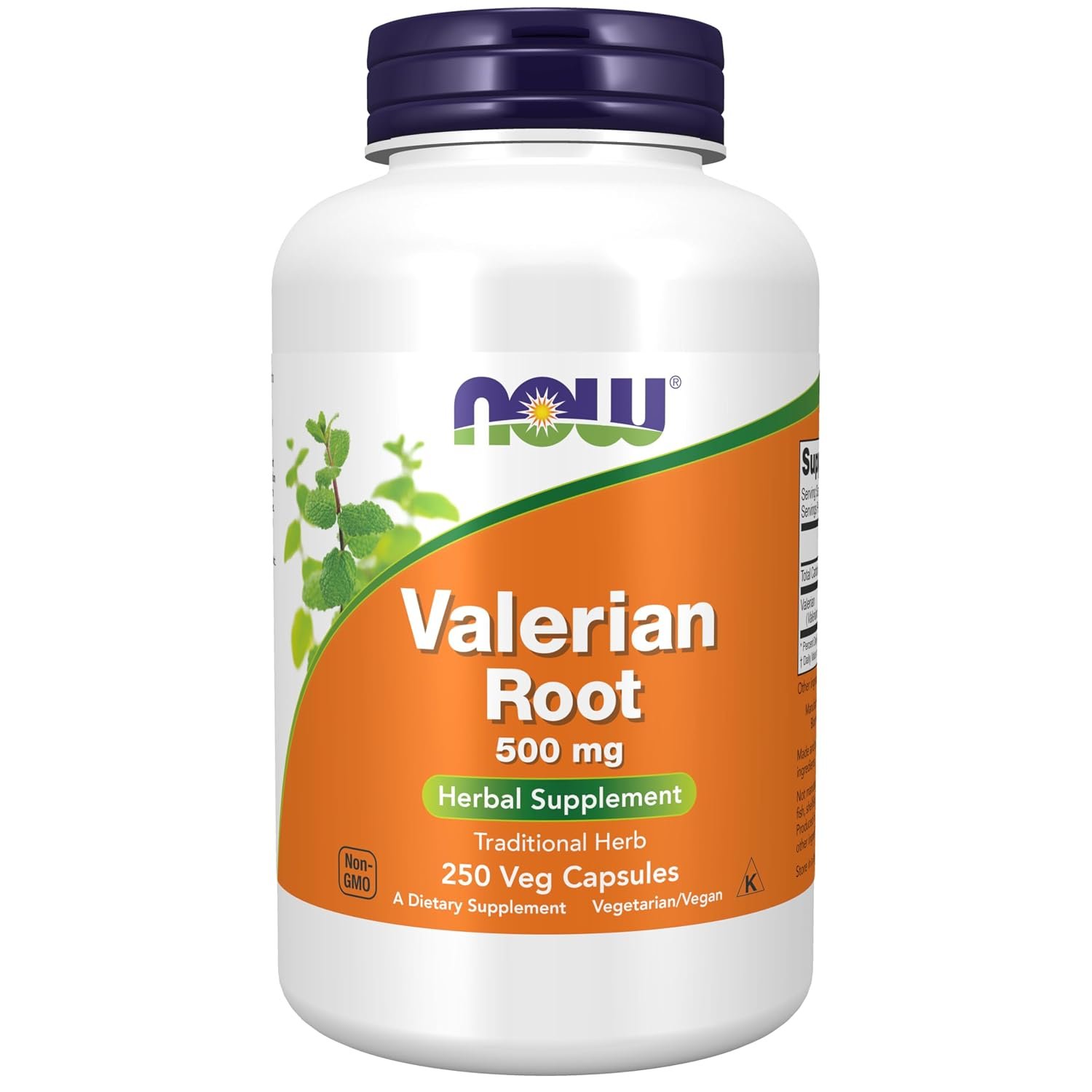
NOW Foods Valerian Root 500 mg
Best for: A trusted whole-root capsule at a low price
The value pick from a brand that tests its own material. NOW is a reputable, in-house-tested valerian root at a very low cost per capsule in a large 250-count bottle, ideal if you want to try valerian cheaply for a few weeks without committing much money. It is a clean single-ingredient product. The honest caveat is the reason it sits below the standardized picks: it is whole root, not standardized to valerenic acid, so the actual potency can vary from batch to batch. Fine as an inexpensive way to test whether valerian does anything for you.
- Trusted GMP brand, in-house tested
- Very low cost, 250-count bottle
- Clean single-ingredient capsule
- Whole root, not standardized to valerenic acid
- Potency can vary batch to batch
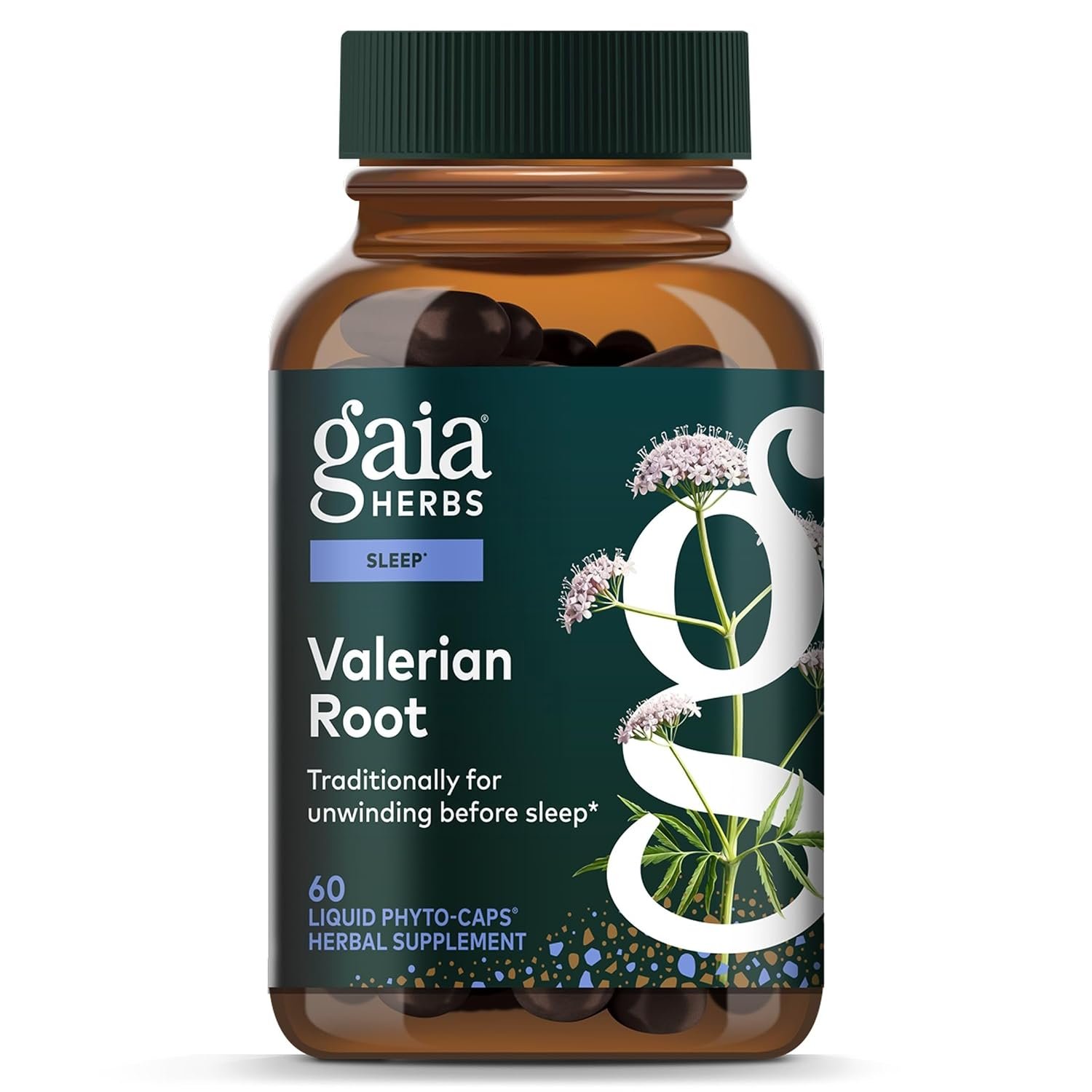
Gaia Herbs Valerian Root Liquid Phyto-Caps
Best for: Per-batch traceability in a concentrated liquid cap
The traceability pick, and more standardized than it first looks. Gaia's Liquid Phyto-Caps are a full-spectrum concentrated liquid extract in a vegan capsule, with per-batch certificates of analysis you can look up by lot number through the brand's traceability ID. Worth noting: although it is marketed as full-spectrum rather than a 0.8 percent product, its label does list valerenic acids at about 1.8 mg per two-capsule serving, essentially the same marker content as our top standardized pick. It lands mid-pack mainly on price, it is the most expensive per serving here. If lot-level transparency appeals to you, it is a strong option.
- Per-batch certificate lookup by lot number
- Lists valerenic acids (about 1.8 mg per serving)
- Full-spectrum concentrated liquid, vegan
- Most expensive per serving
- Marketed as full-spectrum, not a 0.8 percent claim
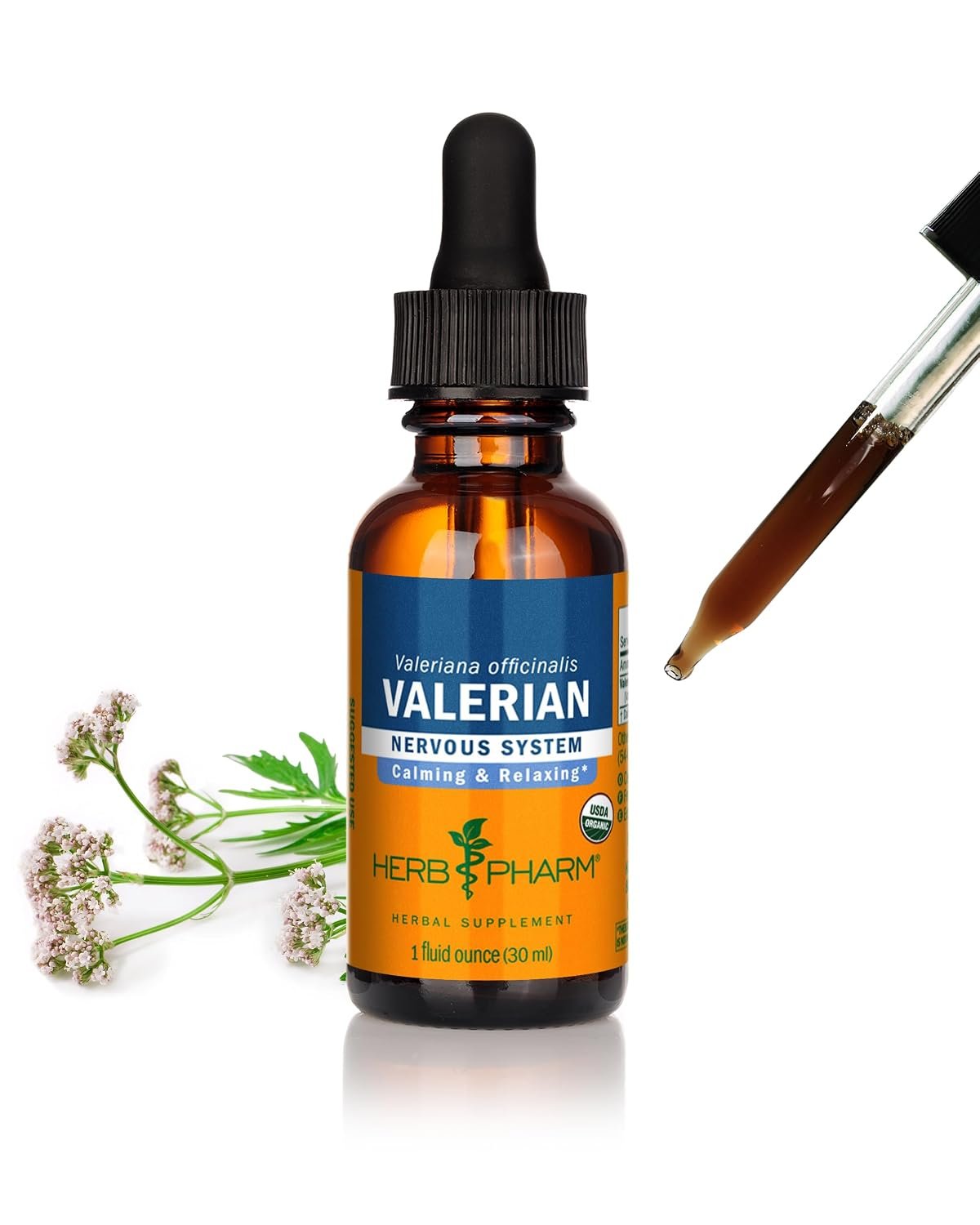
Herb Pharm Valerian Liquid Extract
Best for: A certified-organic tincture you can titrate
The certified-organic liquid for people who like tinctures. Herb Pharm is a USDA Organic, single-ingredient fresh-root and rhizome extract that lets you titrate the dose drop by drop, with botanical identity and purity testing. If you prefer liquids and want a clean, organic option, it is the nicest tincture here. Two honest cautions place it mid-pack: it has a strong taste and smell and is alcohol-based (a cane-alcohol tincture), so it is not for anyone avoiding alcohol, and it is the very warning valerian carries, do not pair it with more alcohol or other sedatives. Liquid dosing is also less precise than a fixed capsule.
- USDA Organic, fresh-root single ingredient
- Titrate the dose drop by drop
- Botanical identity and purity testing
- Alcohol-based tincture, strong taste and smell
- Liquid dosing is less precise
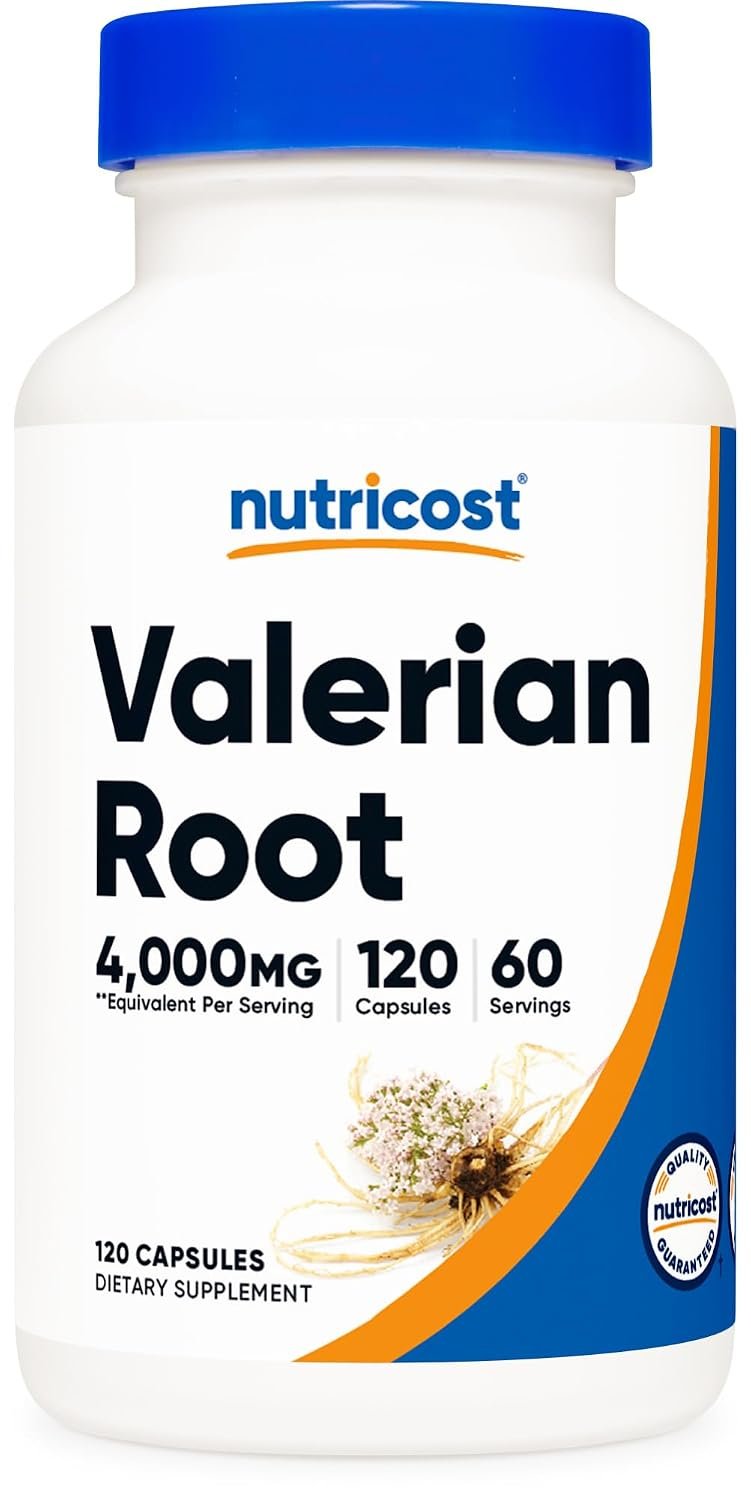
Nutricost Valerian Root
Best for: Third-party tested at the lowest price
The cheapest tested option, with a labeling caveat. Nutricost is third-party tested and inexpensive, with a generous 60-serving bottle, so it is a low-risk way to try valerian at scale. It is a clean single-ingredient product. It ranks lower on our criteria because the 4:1 extract and 4,000 mg herb-equivalent labeling oversells strength, that math describes how concentrated the extract is, not how much active you get, and there is no valerenic-acid standardization. So you get verified, cheap valerian, but you cannot compare its real potency to the standardized picks. Fine for budget experimentation.
- Third-party tested, inexpensive
- Generous 60-serving bottle
- Clean single ingredient
- 4:1 and 4,000 mg equivalent labeling oversells strength
- No valerenic-acid standardization
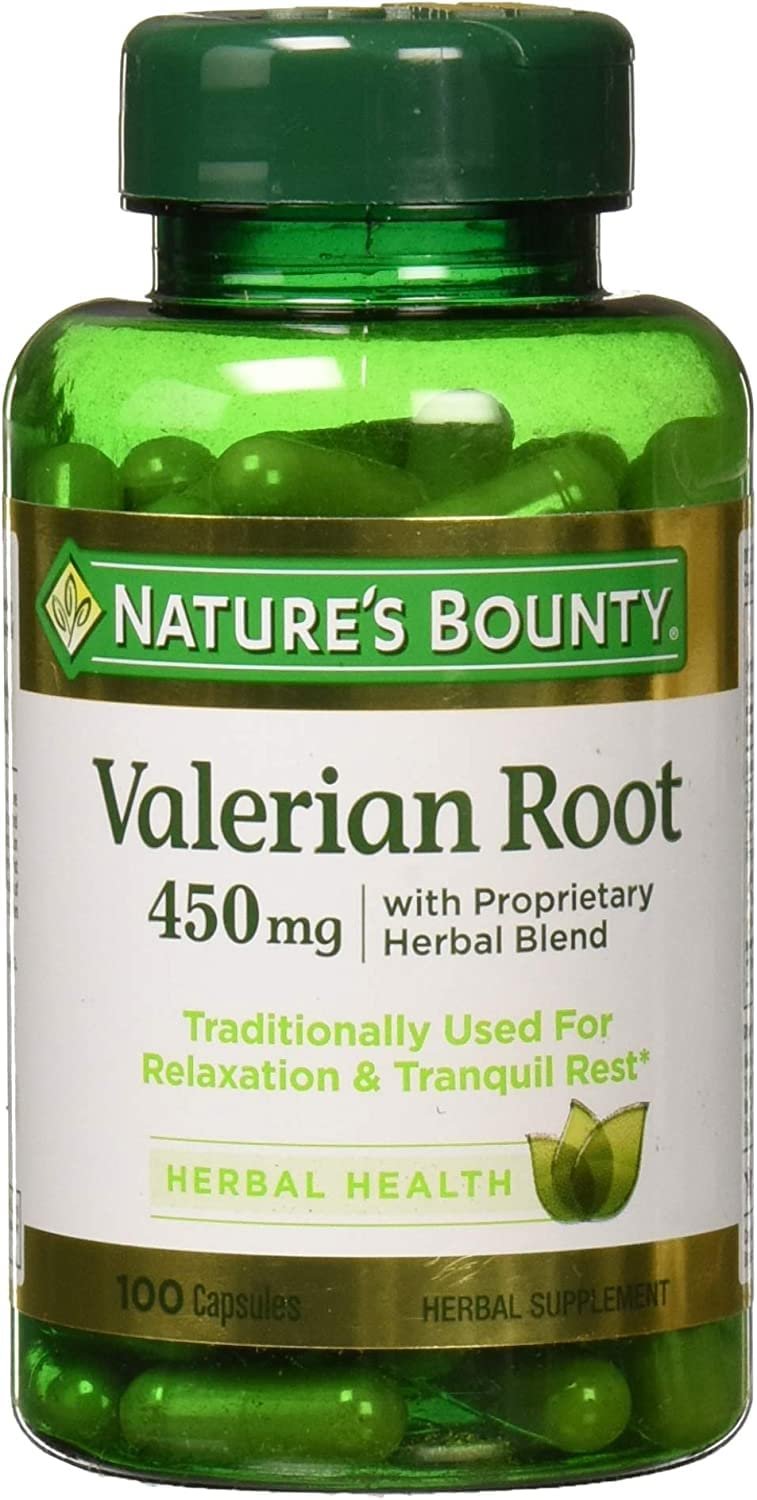
Nature's Bounty Valerian Root Plus Calming Blend
Best for: A cheap drugstore valerian-plus-herbs blend
The cheap drugstore blend, and the one with the most cautions. Nature's Bounty pairs 450 mg of valerian with a proprietary blend of passion flower, lemon balm, and hops, cheap and easy to find if you specifically want a multi-herb calming formula. Three honest reasons it finishes last: it is a proprietary blend that dilutes the valerian dose, the label directs a hefty five capsules at bedtime, and the rare reports of valerian-associated liver injury are mostly linked to exactly this kind of multi-herb combination product, so it is not risk-free. As with all valerian, do not combine it with alcohol or other sedatives.
- Cheap and widely available
- Adds passion flower, lemon balm, and hops
- Proprietary blend dilutes the valerian dose
- Directs five capsules per dose
- Multi-herb blends carry the rare liver-injury reports
The full lineup, side by side
Read the standardization column first. With valerian, a stated valerenic-acid content tells you more than a big extract-ratio number.
| Product | Form | Standardized | Serving | Extras | Best for |
|---|---|---|---|---|---|
| Nature's Way | Capsule | 0.8% valerenic | 220 mg / 2 caps | None | Best overall |
| Solaray | Capsule | 0.8% (2.4 mg) | 300 mg / 1 cap | None | Once-daily standardized |
| NOW Foods | Capsule | Whole root | 500 mg | None | Best value |
| Gaia Herbs | Liquid cap | Lists 1.8 mg valerenic | ~1,600 mg herb eq | None | Traceability |
| Herb Pharm | Tincture | Organic fresh root | ~0.7 mL | None (alcohol) | Organic liquid |
| Nutricost | Capsule | 4:1 (not valerenic) | 1,000 mg / 2 caps | None | Budget |
| Nature's Bounty | Capsule | Whole root | 450 mg (5 caps) | +3 herbs | Drugstore blend |
Prices and specs are read from current listings and can change; confirm the Supplement Facts panel before you buy.
How to choose the right one for you
A few honest priorities make the decision easy:
- If you want the standardized default, Nature's Way is single-ingredient and batch-verified to 0.8 percent valerenic acids.
- If you want one capsule a day, Solaray is the simplest standardized option.
- If you want to try it cheaply, NOW whole root is a low-risk way to test whether valerian helps you.
- If you prefer liquids, Gaia's traceable caps or Herb Pharm's organic tincture are the picks (mind the alcohol in the tincture).
- Whatever you choose, give it about two weeks, do not stack it with sedatives, and keep expectations modest.
Valerian is only one option for sleep. Our best supplements for sleep guide covers the wider field, our best melatonin supplements ranking covers the most-used alternative, and which magnesium is best for sleep is a useful companion.
Frequently asked questions
Does valerian actually work for sleep?
The evidence is mixed: pooled trials suggest it may modestly improve how people rate their own sleep, but objective sleep recordings often show no measurable effect, so treat it as a gentle relaxation aid rather than a guaranteed sleep fix.
How long does valerian take to work?
Most research and traditional use point to consistent nightly use for roughly two weeks rather than an instant knockout, though some people do feel drowsy the first night.
What dose and standardization should I look for?
Standardized products are commonly set to about 0.8 percent valerenic acids; typical doses run around 300 to 600 mg of extract before bed, while plain whole-root capsules are usually 450 to 500 mg.
Is valerian safe, and what are the side effects?
It is generally well tolerated, with drowsiness, morning grogginess, vivid dreams, and a strong smell being the usual complaints. Do not combine it with alcohol, benzodiazepines, or other sedatives, use caution before driving, and avoid it in pregnancy or breastfeeding; rare liver-injury reports mostly involve multi-herb products.
Why does valerian smell so bad?
The root naturally contains valerenic and isovaleric acids that give a strong earthy, sweaty odor. The smell is normal and not a sign of spoilage, and capsules mask it far better than liquid tinctures do.
Can I take valerian with melatonin or other sleep herbs?
Valerian is often blended with hops, lemon balm, or melatonin, and those combinations are common. Just avoid stacking several sedating agents or prescription sedatives without medical advice, and a single-ingredient product lets you control exactly how much valerian you take.
The bottom line
Valerian is a supplement where honesty about the evidence protects you from disappointment. It may modestly help how you rate your sleep, but it often does nothing measurable, so buy it with realistic expectations and give it a couple of weeks. Nature's Way is the standardized, batch-verified default, Solaray is the simplest once-daily standardized capsule, and NOW is the cheap whole-root way to test it, while Gaia and Herb Pharm serve the liquid crowd. Favor a single-ingredient product with a stated valerenic-acid content, never stack it with alcohol or other sedatives, and treat it as a gentle relaxation aid, not a sleeping pill.